US warns of secondary sanctions for buyers of Iranian oil
Treasury Secretary Scott Bessent said a sanctions waiver for Iranian oil will expire on April 19. The US is now targeting oil buyers and infrastructure.

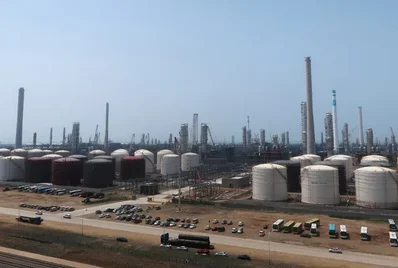
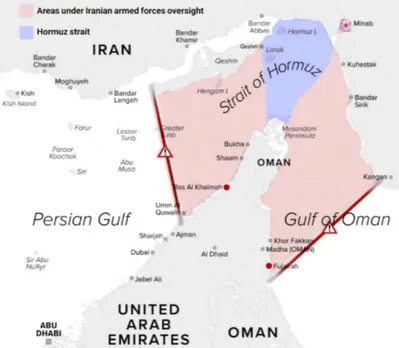
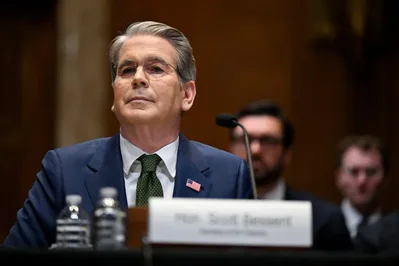
The United States has issued a stern warning to international buyers of oil from Iran, stating that secondary sanctions will be applied as Washington ramps up enforcement of a maritime blockade. This move comes as the conflict involving the Islamic Republic enters its seventh week, prompting the U.S. Treasury to target the financial and logistical networks facilitating the trade. U.S. Treasury Secretary Scott Bessent emphasized the administration's readiness to penalize entities holding Iranian funds or purchasing its petroleum products. > "We have told countries that if you are buying Iranian oil, that if Iranian money is sitting in your banks, we are now willing to apply secondary sanctions," Bessent told reporters during a briefing at the White House. The maritime blockade, which officially commenced on Monday, is specifically expected to impact China, which has historically accounted for more than 80% of Iran's seaborne oil exports. Bessent indicated that the U.S. believes the blockade will lead to a significant pause in Chinese acquisitions. To reinforce this, the Treasury has communicated directly with two Chinese financial institutions. > "The U.S. Treasury has also written to two Chinese banks and told them that if we can prove that there is Iranian money flowing through your accounts, then we are willing to put on secondary sanctions," he added. The enforcement strategy also involves the expiration of key sanctions waivers. A 30-day waiver issued on March 20, which allowed approximately 140 million barrels of oil to reach global markets to stabilize prices for Brent Crude Oil and West Texas Oil, is set to expire on April 19 and will not be renewed. Similarly, the U.S. has allowed a waiver for oil from Russia to expire as of last Saturday. Beyond China, the U.S. Treasury has extended its warnings to other regional hubs. Letters have been dispatched to authorities and financial entities in Hong Kong, the United Arab Emirates, and Oman. These communications identify specific banks suspected of facilitating illicit Iranian activity and warn of impending punitive measures. In addition to financial pressure, the U.S. government has targeted Iran's physical transportation infrastructure. On Wednesday, sanctions were imposed on more than two dozen individuals, companies, and vessels linked to the shipment of Iranian oil. While the administration has maintained a policy of maximum pressure, these latest actions represent a significant escalation in the effort to cut off revenue streams used to fund regional militants and the nation's nuclear program.