US Treasury Authorizes Venezuelan Oil Resale to Cuba
The US Treasury authorized the resale of Venezuelan oil to Cuba on Wednesday to ease fuel shortages. Sales must support the private sector and Cuban people.

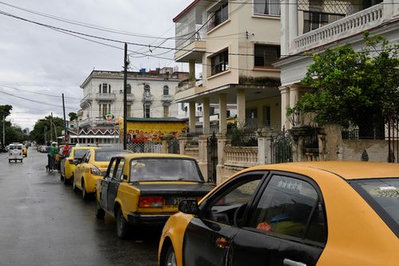
The United States[Country:{"assets":{"country":"US"}}] Treasury Department has announced it will authorize licenses for companies to resell oil from Venezuela[Country:{"assets":{"country":"VE"}}] to Cuba[Country:{"assets":{"country":"CU"}}], a decision that could provide relief for the island's severe fuel shortages. Guidance posted on the department's website indicates a shift in policy following the cessation of direct supplies earlier this year.

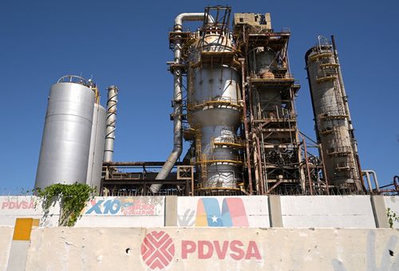
Energy supplies to the island were disrupted in early January after Washington took control of Venezuelan oil exports. For more than a quarter-century, Venezuela served as the primary supplier of crude and fuel to its political ally through a bilateral agreement. While Mexico[Country:{"assets":{"country":"MX"}}] had briefly emerged as an alternative source, shipping data shows that those deliveries have also stopped since a cargo arrived in Havana in January.
Currently, major global trading houses are managing the majority of Venezuelan oil exports, with millions of barrels being sent to Europe, India[Country:{"assets":{"country":"IN"}}], and the American market. Other volumes are being held at Caribbean terminals for eventual resale. U.S. President Donald Trump has issued warnings to nations that previously received oil through debt repayments or swaps, stating they must now pay fair market prices. These nations include China[Country:{"assets":{"country":"CN"}}] and Cuba.
The policy change coincides with U.S. Secretary of State Marco Rubio's arrival in the Caribbean to discuss the humanitarian situation. Regional leaders have expressed concern that the ongoing energy crisis could lead to broader regional instability. However, the Treasury's guidance emphasizes that any authorized transactions must specifically support the Cuban people and the private sector. Activities that benefit the Cuban military or government institutions remain prohibited.
Despite the new licensing path, financial obstacles remain. Cuba has historically struggled to fund fuel imports on the spot market, and traders are expected to require standard commercial terms, including cash payments and bank guarantees. The Treasury noted that applicants do not necessarily need to be U.S.-based entities to seek these licenses.