US Stocks Decline Amid Iran War and Oil Price Volatility
US stocks fell 1.5 percent as the Iran war pushed oil above 100 dollars. Markets now await PCE inflation data and several central bank meetings next week.

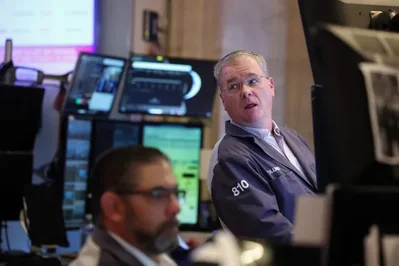
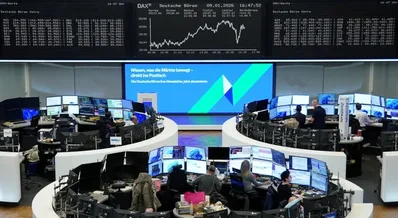
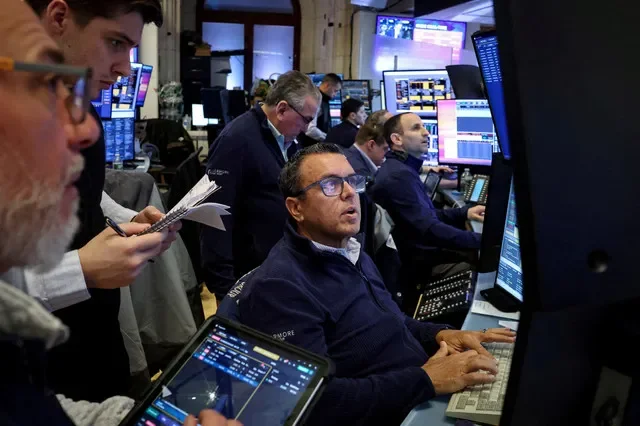
Wall Street has recorded its most challenging session since the onset of the war in Iran, as financial markets react to the potential for a closed Strait of Hormuz and the reality of triple-digit oil prices. Despite these pressures, the United States markets showed relative stability on Thursday, with the S&P 500, Dow, and Nasdaq each falling by about 1.5%. This suggests that while energy markets are in turmoil, equity investors may be anticipating an eventual de-escalation to mitigate further economic damage.
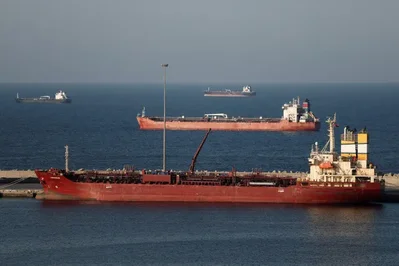
The energy sector has experienced a week of historic volatility. Brent Crude Oil saw a record-breaking $35 intraday move, with prices fluctuating between $90 and $120 per barrel. Although the International Energy Agency announced a massive 400-million-barrel reserve release—the largest collective drawdown in history—prices spiked 9% on Thursday to settle back above $100. This reaction underscores the market's concern that emergency reserves may only provide temporary relief against significant supply disruptions. The physical market's confusion was further highlighted when a social media post from U.S. Energy Secretary Chris Wright influenced price movements, illustrating the ongoing uncertainty surrounding energy pricing.
Asia remains particularly vulnerable to these developments, as the region imports the majority of its energy from the Middle East. Squeezes in refined fuel products like gasoline and diesel have prompted the U.S. to temporarily lift some restrictions on purchasing petroleum products from Russia. Analysts suggest that the current crisis may accelerate shifts in energy policy, drawing parallels to the supply chain lessons learned during the conflict in Ukraine.
On the economic front, U.S. consumers are facing higher costs, with average gasoline prices climbing to $3.58 per gallon. While February's consumer price index rose 2.4% annually, investors are looking ahead to personal consumption expenditures data and a series of central bank meetings next week. While the Reserve Bank of Australia is the only major bank expected to implement a rate hike, the Federal Reserve, Bank of England, and European Central Bank will provide critical communications on their strategies for managing this global crisis.
Concerns are also mounting regarding risks in opaque financial sectors. JPMorgan Chase & Co. recently marked down the value of loans to private credit funds, a move that has drawn comparisons to the early signs of the 2007-09 financial crisis. While not necessarily indicative of an imminent meltdown, these tremors serve as a reminder that exogenous shocks often expose hidden pockets of risk within the global financial architecture.
For those following market developments, several key themes are emerging: The potential for the conflict to accelerate Europe's transition away from Russian gas. The impact of oil price shocks on political and economic distribution in the U.S. The reliability of fossil fuels versus renewable energy sources during geopolitical instability. The return of short-sellers as market volatility increases.
Additional insights from market experts highlight the enduring economic impact of the Middle East crisis and the evolving relationship between the U.S. and regional powers. These analyses suggest that while the immediate focus is on oil, the long-term consequences will involve a significant restructuring of global energy and financial priorities.