US Producer Inflation Hits Seven Month High in February
U.S. producer prices rose 0.7% in February, the largest gain in seven months. Higher service and goods costs preceded a recent surge in global energy prices.

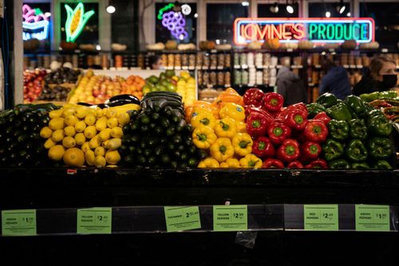
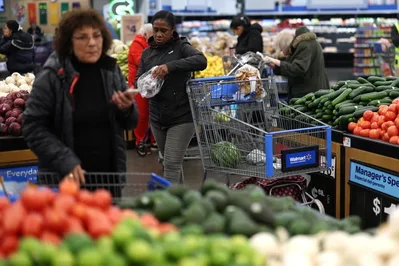
Producer prices in the United States climbed at their fastest pace in seven months during February, as rising costs for services and goods signaled persistent inflationary pressure. The Producer Price Index (PPI) for final demand increased by 0.7% last month, according to the Labor Department's Bureau of Labor Statistics, surpassing the 0.3% gain expected by economists. On an annual basis, the PPI rose 3.4% through February, marking the largest year-on-year increase in twelve months. The inflationary outlook is further complicated by geopolitical tensions in the Middle East. A conflict involving Israel and Iran has triggered a surge in oil prices of more than 40% since late February. While the full impact of these energy costs is expected to manifest in March reports, the current data suggests that underlying inflation remains robust even before accounting for recent regional instability. > The upshot is there is nothing in the price data that suggests the Fed would be in a position to cut again soon even if oil prices suddenly dropped back, said Thomas Ryan, North America economist at Capital Economics. Services accounted for more than half of the monthly PPI increase, rising 0.5% in February. This sector was driven by a significant 5.7% jump in wholesale prices for hotel and motel accommodations. Trade services, which track margins for wholesalers and retailers, rose 0.4%, indicating that businesses are passing through costs associated with tariffs. Additional gains were noted in food and alcohol wholesaling, securities brokerage, and long-distance trucking, while hospital inpatient care costs rebounded by 0.6%. The goods sector saw a 1.1% increase, the largest since August 2023. This was propelled by a 2.4% rise in food prices, specifically a 48.9% spike in the cost of fresh and dry vegetables. Energy prices also rebounded by 2.3%, with gasoline and natural gas liquids seeing notable gains. Economists warn that the ongoing Middle East conflict could eventually drive up food costs further due to potential fertilizer shortages. The Federal Reserve is expected to maintain current interest rates at the conclusion of its policy meeting. However, the consistent strength in the core Personal Consumption Expenditures (PCE) price index—estimated to have risen 0.4% for the third consecutive month—suggests the central bank may need to upgrade its inflation projections. Following the report, U.S. equity markets opened lower, while the U.S. dollar strengthened and Treasury yields moved higher.