US Homebuilder Sentiment Falls to Seven-Month Low in April
The NAHB housing market index fell to 34 in April as the war with Iran drove up mortgage rates and material costs. Builders also face rising labor expenses.

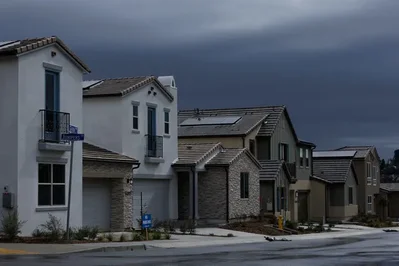
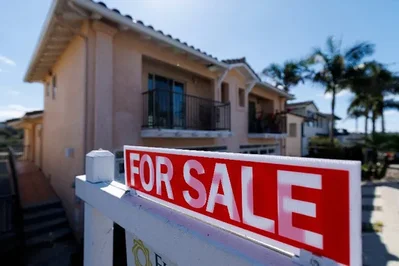
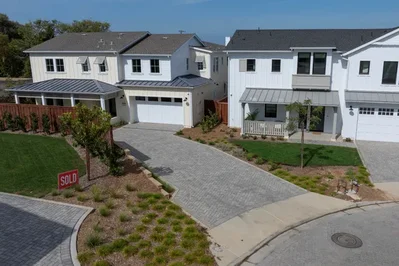
The housing market in the United States experienced a sharp decline in confidence this month as homebuilder sentiment hit a seven-month low. The National Association of Home Builders (NAHB) and WELLS FARGO & CO reported that their Housing Market Index dropped four points to 34 in April, falling short of the 37-point level anticipated by economists. This marks the 24th consecutive month the index has remained below the neutral 50-point threshold, signaling persistent contraction in the sector. The downturn is largely attributed to the ongoing conflict involving Iran and Israel, which has triggered higher material costs and increased economic volatility. NAHB Chairman Bill Owens noted that the momentum seen at the start of the year has been eroded by rising energy costs and a slump in consumer confidence. > "The year started with hopes for housing momentum growth, but risks with respect to the Iran war, energy costs, and declines for consumer confidence have slowed the market." Mortgage rates have also trended upward, tracking U.S. Treasury yields as inflation concerns mount. While rates had previously declined due to mortgage-backed security purchases by FREDDIE MAC and FANNIE MAE, the 30-year fixed-mortgage rate jumped from 5.98% in late February to 6.46% by the start of April. The rising cost of construction remains a primary hurdle for builders. Global oil prices have surged by more than 35% since the start of the regional conflict, directly impacting the price of fuel-dependent materials. NAHB chief economist Robert Dietz reported that 62% of builders have seen suppliers raise prices due to higher gasoline and diesel costs. > "Energy costs make up approximately 4% of residential construction material input and service costs." Beyond energy prices, the industry is contending with broader economic pressures, including tariffs on imported building materials and a labor shortage exacerbated by mass deportations. These factors have made pricing new homes increasingly difficult, with 70% of builders reporting challenges in setting prices amid fluctuating material costs. As a result, builders are scaling back on buyer incentives; the use of sales incentives fell to 60% this month from 64% in March. The survey's underlying components further illustrate the market's struggle. The measure of current sales conditions fell to 37, while the gauge for future sales expectations dropped to 42. Prospective buyer traffic remains the weakest link, decreasing to a reading of 22.