US Government Discusses Drug Pricing Law With Pharma
HHS officials are meeting with drugmakers to codify the most-favored-nation pricing policy. This follows recent price cut deals with sixteen major companies.

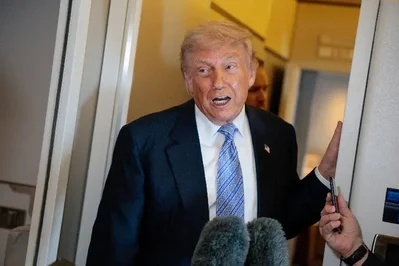
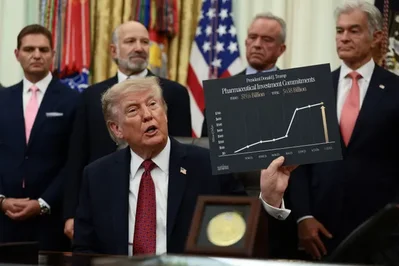
The United States government has initiated formal discussions with pharmaceutical manufacturers to build a legislative consensus around President Donald Trump's most-favored-nation drug pricing policy. This initiative seeks to establish a permanent legal framework that would align domestic prescription medicine costs with the significantly lower prices paid in other developed nations. Currently, American patients often pay nearly three times more for essential medications than those in comparable economies. Chris Klomp, the chief counsel for the Department of Health and Human Services (HHS), detailed the administration's progress during a conference hosted by Stat News. Klomp explained that officials are currently sharing legislative drafts with industry stakeholders to determine if a version of the policy can be reached that secures industry buy-in. > "Were also beginning to read in pharmaceutical companies to help them understand the nature of the legislative text, to see if they can buy in, if theres a version we might reach," Klomp said. The administration has already secured individual agreements with 16 major drugmakers to reduce prices for the Medicaid program and cash-paying consumers. These efforts are part of a broader healthcare strategy overseen by Health Secretary Robert F. Kennedy Jr., who recently appointed Klomp to his dual roles as chief counselor of HHS and deputy administrator of the Centers for Medicare and Medicaid Services (CMS). While the executive branch focuses on these regulatory reforms, the broader economic landscape continues to be influenced by the president's various corporate interests, including Trump Media & Technology Group Corp.. In his current capacity, Klomp also serves as the director of Medicare, managing the department's extensive operational strategy.