
Farmers Sell Stored Crops as Iran War Drives Price Rally
US farmers are selling stored grain to capitalize on price gains fueled by the Iran war. This rally helps growers cover costs after a period of low prices.

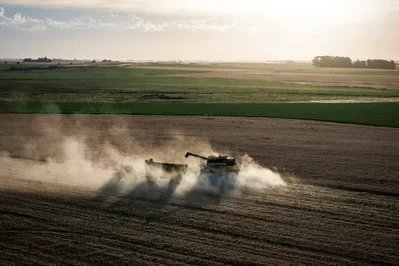
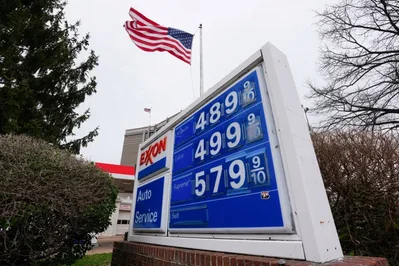
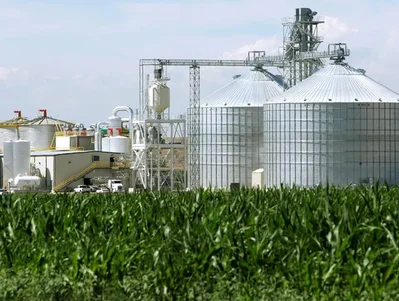
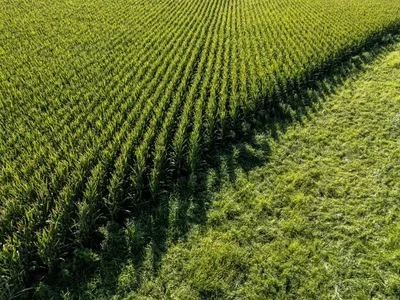
Agricultural markets in the United States are experiencing a significant shift as the conflict involving Iran and Israel triggers a surge in grain prices. Farmers across the Midwest are seizing the opportunity to sell corn, wheat, and soybeans that had been stored in bins for months due to previously weak pricing. This rally has allowed many growers to cover rising costs for seeds, chemicals, and fertilizers, providing a temporary reprieve from a broader downturn in the agricultural sector. Major industry players such as Archer-Daniels-Midland Company and Bunge Global S.A. have been active participants in this market shift. Growers are not only clearing out old inventory but are also racing to sign contracts for crops intended for harvest later this year and even into 2026. Dave Kestel, a farmer based in Manhattan, Illinois, noted that he recently sold a significant portion of his stored inventory and a fraction of his projected 2026 harvest to capitalize on the price jump. >"I was doing the farmer happy dance," Kestel said. The market reaction has been swift, with soybean futures on the Chicago Board of Trade reaching their highest levels since May 2024. Corn and wheat have similarly seen multi-month highs. This recovery follows a period of stagnation caused by high supply levels and trade tensions with China, which had previously dampened export demand. While the U.S. Department of Agriculture has distributed billions in aid to mitigate the impact of trade policies, analysts suggest these payments primarily stabilize balance sheets rather than ensuring long-term profitability. Market experts point to several factors driving the current price spike. The war has significantly increased oil prices, which in turn boosts the value of crops used for biofuels. Additionally, the conflict has disrupted the global supply chain for essential fertilizers. Angie Setzer, a partner at Consus Ag Consulting, noted that the rally provided long-awaited opportunities for her clients. >"When the market rallied big, it provided a lot of opportunities that they had been waiting for," Setzer said. Julio Garros, chief operating officer at Bunge, highlighted the intensity of the current movement during a recent investor event. >"We are basically filling all of our grain elevators in North America and in South America as we speak," Garros said. Despite the optimism, some farmers remain cautious about the sustainability of the rally and the risks associated with pre-selling unplanted crops. Keaton Lyons, who manages 1,200 acres in Indiana, expressed concern about being heavily committed to sales before the planting season has even begun. >"The thing that Im nervous about is we dont have a kernel in the ground and were 65% sold," Lyons said. The urgency to sell is reflected in recent data showing that on-farm storage levels for corn and soybeans were notably higher at the end of last year compared to previous periods. For many, like Minnesota farmer Richard Guse, the decision to sell now is a matter of timing and risk management. >"It goes down a lot faster than it comes up," Guse said.