
US Payrolls Drop by 92,000 as Jobless Rate Hits 4.4 Percent
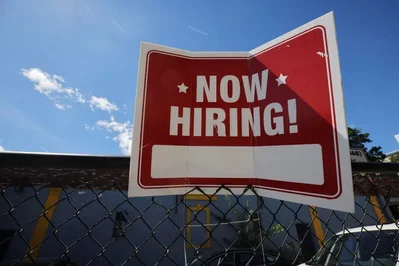
US payrolls fell by 92,000 in February as strikes and winter weather impacted hiring. The jobless rate rose to 4.4 percent amid growing regional conflict.

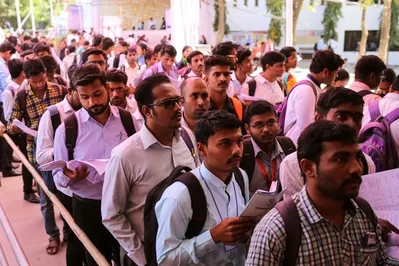
The United States economy unexpectedly shed 92,000 jobs in February, marking a sharp reversal from the downwardly revised 126,000 gain recorded in January. According to the Bureau of Labor Statistics, the national unemployment rate rose to 4.4%, up from 4.3% the previous month. The results fell significantly short of economist forecasts, which had anticipated a gain of approximately 59,000 positions.

The contraction was attributed to a combination of temporary disruptions and technical adjustments. A strike by 31,000 healthcare workers at Kaiser Permanente in California and Hawaii, along with harsh winter weather conditions, hindered payroll growth. Additionally, economists noted that the decline served as a correction to January’s figures, which were inflated by updates to the birth-and-death model used to estimate employment changes from business openings and closings.
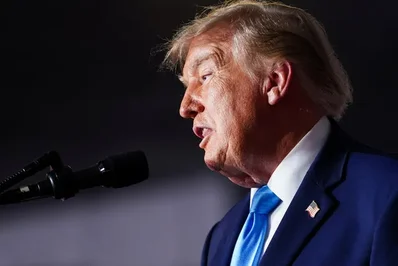
Broader economic pressures continue to impact the labor market's trajectory. Uncertainty stemming from trade policies pursued by Donald Trump and a 43-day government shutdown in the previous year has complicated the recovery. While initial tariffs were struck down by the Supreme Court, subsequent global duties of 10% and 15% have been implemented. Population growth has also slowed, with the Census Bureau reporting an increase of just 0.5% for the year ending June 2025, partly due to shifts in immigration enforcement.
Geopolitical tensions are adding further complexity to the domestic outlook. The conflict involving Israel and Iran has triggered a sharp rise in energy costs, with retail gasoline prices climbing more than 20 cents per gallon following recent military actions, according to data from AAA. Analysts suggest that a widening regional war poses a downside risk to the labor market by increasing stock market volatility and potentially causing higher-income households to reduce consumer spending.
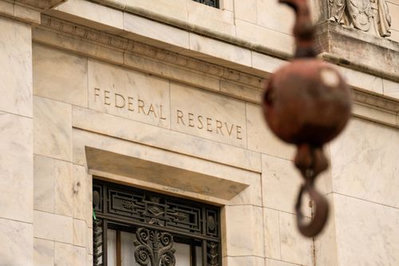
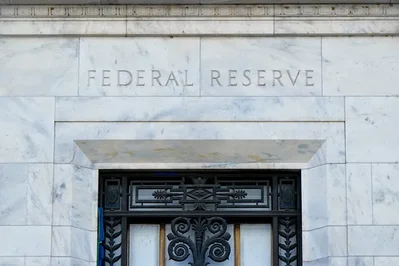
In light of these developments, the Federal Reserve is expected to maintain its current policy stance during its meeting on March 17-18. With rising energy prices posing a threat to inflation targets, officials are likely to keep the benchmark interest rate in the 3.50% to 3.75% range. Economists indicate that while the unemployment rate has ticked upward, it remains low by historical standards, and significant concern would likely only arise if the rate surpasses the 4.5% threshold.