Dollar Strengthens on Fading Middle East Ceasefire Hopes
The US dollar rose on Thursday as fading hopes for a Middle East ceasefire increased safe-haven demand. Rising oil prices and rate outlooks supported gains.

The United States dollar maintained its strength on Thursday as fading expectations for a ceasefire in the Middle East bolstered demand for safe-haven assets. This shift in market sentiment follows reports that diplomatic efforts have stalled, raising concerns about a prolonged energy crisis and its impact on global inflation.
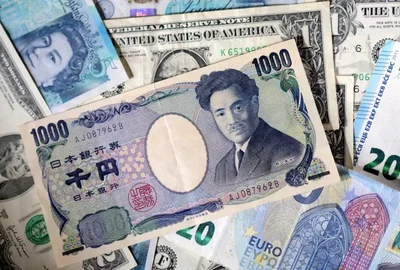
Currency markets saw significant movements as the greenback advanced against major peers:
- The Euro / U.S. Dollar fell 0.14% to $1.1542.
- The British Pound / U.S. Dollar dropped 0.09% to $1.3353.
- The U.S. Dollar / Japanese Yen pair rose 0.05% to 159.54.
- The U.S. Dollar / Offshore Chinese Yuan increased 0.15% to 6.915.
The overall tone right now is a tide of sort of disappointment washing across markets as the prospects for a cease fire in the Middle East fade.
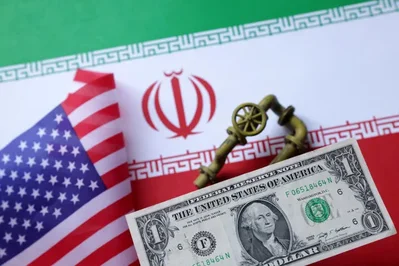
The geopolitical tension is centered on Iran, where officials are reportedly reviewing a proposal from the United States but have not committed to direct talks. This uncertainty has driven oil prices up by more than 4%, impacting the energy sector and companies like W&T Offshore, Inc.. Traders are increasingly concerned about potential blockages in the Strait of Hormuz and the resulting economic overheating.
Economic data from the United States showed a slight increase in weekly jobless claims, yet the labor market remains resilient. Market strategists in Canada and analysts in Singapore suggest this stability provides the Federal Reserve with the flexibility to keep interest rates steady while monitoring war-related inflation risks.
The ECB has an option to raise interest rates at its next meeting if war in the Middle East raises the specter of an inflation surge in the euro zone.
In Europe and the United Kingdom, central bank officials are weighing the impact of rising energy costs. Sarah Breeden of the Bank of England noted that the current risks differ from those seen during the 2022 invasion of Ukraine by Russia, citing current labor market weakness as a factor that might limit second-round inflation effects.
Diplomatic developments also include a scheduled meeting between President Donald Trump and China’s President Xi Jinping in mid-May, a summit that was delayed by the conflict. As these events unfold, investors in Japan and other major economies continue to adjust their portfolios in favor of the dollar.
The broader central bank backdrop retains a hawkish tilt, with markets repricing the Fed toward roughly 10 bps of tightening this year, a notable shift from cuts being priced in as recently as last week.