US dollar set for strongest monthly gain since July 2025
The dollar is set for its best month since July as Middle East tensions drive safe-haven demand. Rising US rate hike bets and a weak yen support the gain.

The United States dollar is on track for its strongest monthly performance in nearly a year, bolstered by a surge in safe-haven demand as geopolitical tensions in the Middle East intensify. Investors have increasingly sought the security of the greenback as hopes for a near-term de-escalation fade, pushing the dollar index up by 2.4% so far in March. This rally represents the currency's best monthly showing since July 2025.
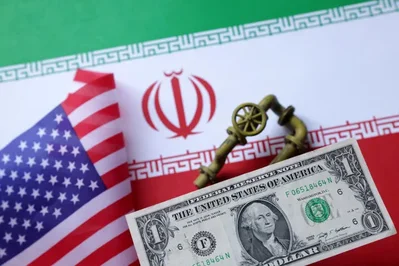
Market sentiment has been weighed down by a volatile week of developments. Conflicting reports regarding diplomatic progress between Washington and Iran have kept traders on edge, particularly after the American administration extended a deadline for potential strikes on Iranian energy infrastructure. Adding to the uncertainty, reports suggest the Pentagon is considering the deployment of up to 10,000 additional ground troops to the region, a move that further complicates the outlook for peace.
In the currency markets, the U.S. Dollar / Japanese Yen pair saw the yen weaken toward the 159.86 level. This specific threshold is closely watched by traders as a potential trigger for official intervention by authorities in Japan. MUFG currency strategist Lee Hardman noted the mounting pressure on Japanese officials.
"The market is going to test the Japanese authorities resolve."
The yen has faced additional pressure following new neutral rate estimates from the Bank of Japan, which suggested policymakers might raise interest rates to combat inflation. Japan’s significant reliance on energy imports makes its economy particularly vulnerable to the rising oil prices associated with Middle Eastern instability.
Other major currencies have also struggled against the dollar's dominance. The Euro / U.S. Dollar pair eased 0.1% to $1.152, while the British Pound / U.S. Dollar fell for a fourth consecutive session to $1.331 in the United Kingdom. Carol Kong, a strategist at Commonwealth Bank of Australia, highlighted the dollar's current status in the market.
"The dollar is king while this conflict lasts."
The risk-sensitive Australian Dollar / U.S. Dollar pair recovered slightly after hitting a two-month low of $0.688 in Australia. Since the onset of the conflict, the Australian dollar has declined by approximately 2%, making it one of the weaker performers among major currencies, surpassed only by the rupee in India, which has dropped nearly 3%.
The shift in currency values coincides with a significant repricing of interest rate expectations. Investors are now pricing in a roughly 70% probability of a quarter-point rate hike by the Federal Reserve this year, a sharp pivot from previous expectations of aggressive easing. This broader shift toward tighter monetary policy has pushed bond yields to multi-year highs, with the U.S. 10-year Treasury yield rising to 4.4278%. Additional market insights were contributed by analysts in Hong Kong.