US Dollar Holds Gains After Unexpected February Job Loss
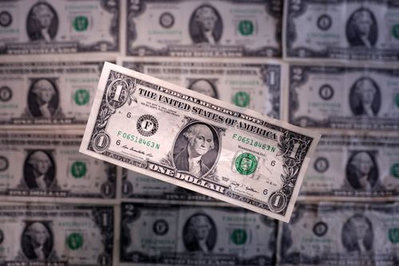
The dollar held steady today after payrolls fell by 92,000 in February. The drop raised unemployment to 4.4% and shifted rate cut forecasts to September.

The United States dollar held its gains against major currencies on Friday, even after government data revealed an unexpected decline in new jobs created last month. The surprising contraction in the labor market has led to speculation that the Federal Reserve might implement interest rate cuts sooner than previously anticipated.
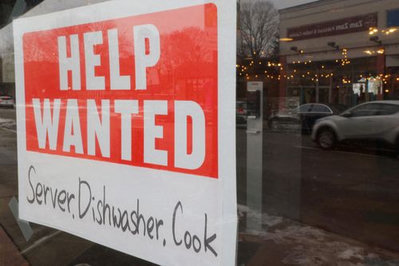
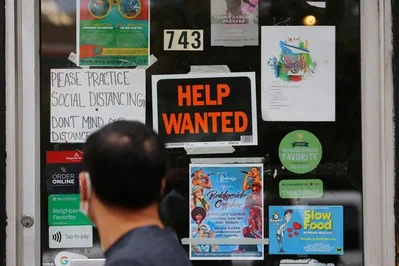
According to the latest report, the economy lost 92,000 jobs in February, following a downwardly revised increase of 126,000 in January. This result was far below the 59,000 job gain forecast by economists. Consequently, the national unemployment rate rose to 4.4%.
David Rees, the head of global economics at Schroders in the United Kingdom, suggested that the data would influence central bank policy discussions.
The large downside miss in non-farm payrolls will give the doves at the Fed something to talk about.
Rees noted that while the employment report was soft, a portion of the weakness was likely due to strike action in the healthcare sector, which is expected to reverse. He added that continued robust growth in the broader economy should eventually translate into more sustained demand for labor.
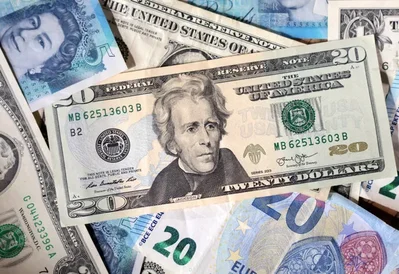
In currency markets, the USD/JPY pair edged higher to 157.85, up 0.2% on the day. This resilience comes despite the soft jobs data, as the greenback remains a preferred asset compared to the currency of Japan. Similarly, the EUR/USD was down 0.4% at $1.1558, although it managed to shave some of its earlier losses following the release of the employment report.
The dollar index, which measures the currency against a basket of six major peers, was up 0.3% at 99.307. Following the payrolls data, U.S. rate futures indicate that markets now expect the Federal Reserve to resume rate cuts in September rather than October. However, the market still anticipates roughly 40 basis points of easing by 2026, which is less than two standard 25-basis-point cuts.
This report includes contributions from Gertrude Chavez-Dreyfuss in New York and Rashika Singh in India.