Currency Cross Rates and Volatility
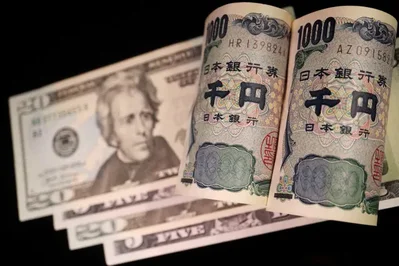
The Japan currency softened 0.1% to 159.355 against the dollar in early Friday trading, while the Switzerland franc eased slightly to 0.83455. In major currency pairs, the EUR/USD traded flat at $1.0964, and the GBP/USD edged down to $1.3099. Meanwhile, the AUD/USD dipped to $0.6631 following a touch against a one-year low earlier in the week.
Mizuho analysts noted that any sustained turnaround in technology equities could trigger a recovery in higher-yielding assets like the Australia dollar and the Mexico peso. Conversely, renewed selling pressure across the sector would likely leave those currencies vulnerable.
Policy Path and Economic Data
Federal Reserve expectations continue to underpin greenback demand, with rate futures pointing to a quarter-point hike on December 9. Stubborn inflation readings, resilient third-quarter GDP figures, and sustained economic growth have reinforced market conviction in further monetary tightening by April. NAB strategists observed that while the currency remains on a stronger path, its rapid appreciation leaves limited room for immediate further upside.
The Federal Reserve will release the next set of economic indicators on December 9 to guide policy expectations.