EU Leaders Clash Over Budget and Ukraine Funding

European Union leaders are negotiating a 1.6 trillion euro budget and financial support for Ukraine. Member states face divisions over contributions as upcoming elections add urgency to reach a deal by December.

Updated
Insights:
Xurve View
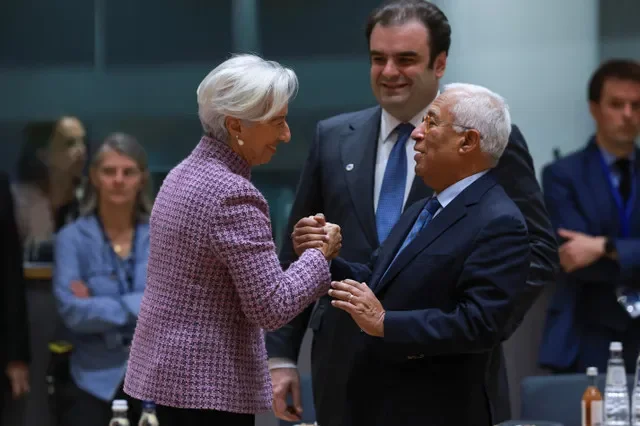
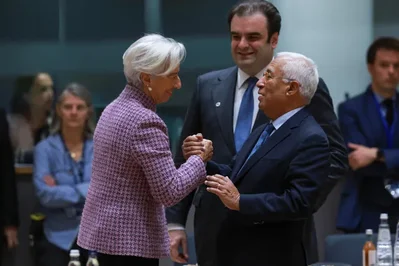
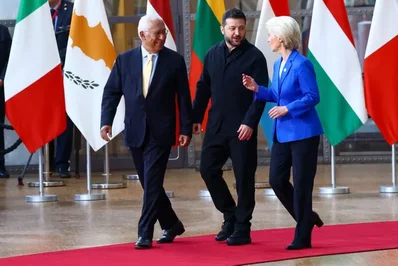
European Central Bank (ECB) President Christine Lagarde shakes hands with European Council President Antonio Costa next to President of the Eurogroup Kyriakos Pierrakakis as leaders gather for a European Union special summit in Brussels, Belgium, November 26, 2026. REUTERS/Stephanie Lecocq

European Union leaders wrestled over a €1.58 trillion budget proposal for 2028 to 2034 and financing for Ukraine during an afternoon summit in Brussels. The negotiations seek to bridge deep fiscal divisions ahead of a targeted December 18 agreement. Securing a legally binding financial framework now aims to insulate Kyiv's support from upcoming political shifts in France and across the bloc.

Budget Pressures and Political Timelines

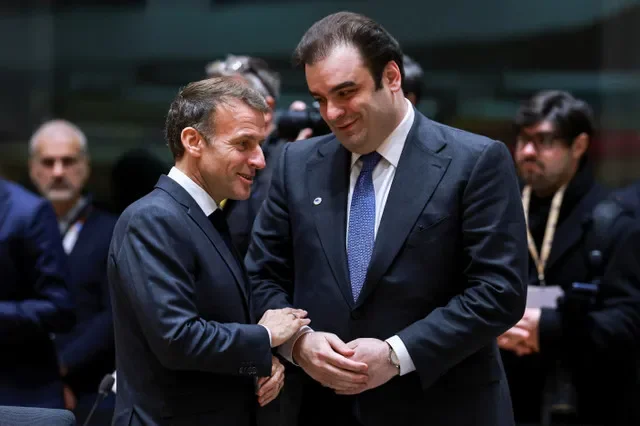
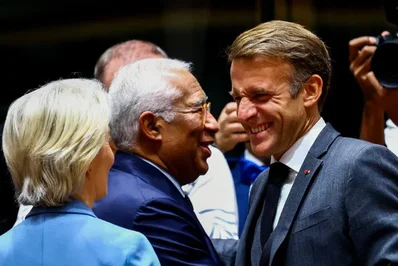
French President Emmanuel Macron speaks with President of the Eurogroup Kyriakos Pierrakakis as leaders gather for a European Union special summit in Brussels, Belgium, November 26, 2026. REUTERS/Stephanie Lecocq

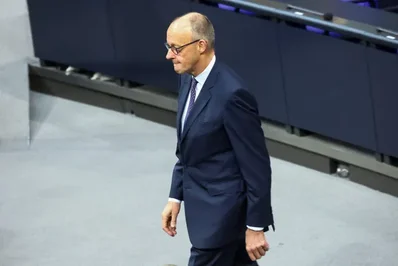
The seven-year spending plan requires unanimous approval from all 27 member states before upcoming elections complicate the path forward. Germany Chancellor Friedrich Merz warned that failing to lock in funding risks triggering new refugee waves if the ongoing war does not end.

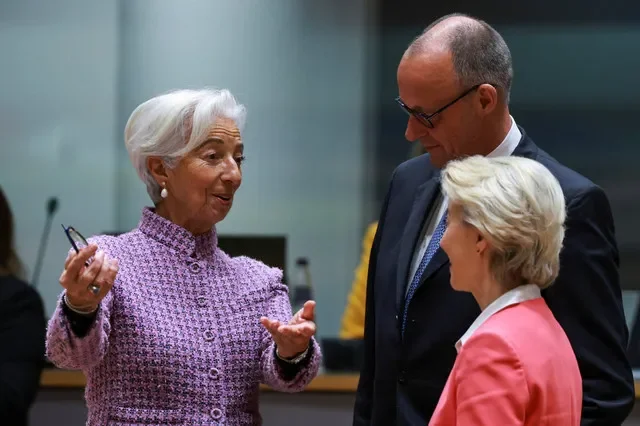
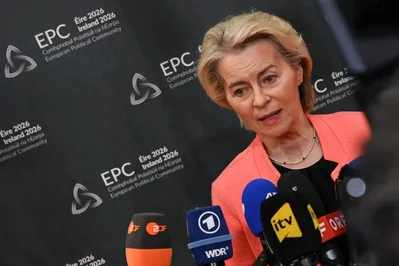
European Central Bank (ECB) President Christine Lagarde, European Commission President Ursula von der Leyen and German Chancellor Friedrich Merz speak as leaders gather for a European Union special summit in Brussels, Belgium, November 26, 2026. REUTERS/Stephanie Lecocq

The current proposal includes €740 billion for agricultural subsidies and regional cohesion, alongside up to €100 billion specifically allocated for Kyiv. Greece Prime Minister Kyriakos Mitsotakis told reporters that reaching a definitive solution in December is a political imperative to avoid gridlock.

Financing Gaps and Net Contributor Friction

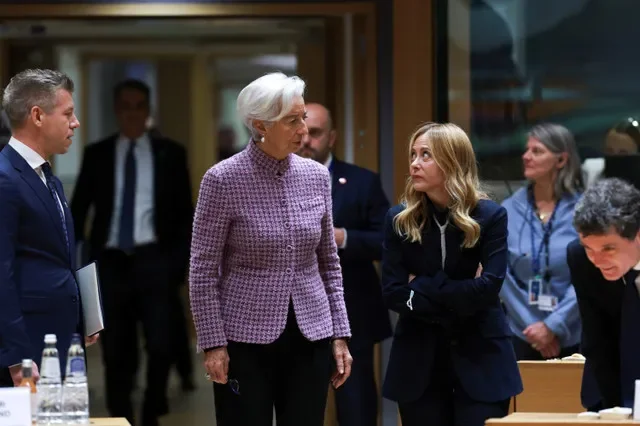
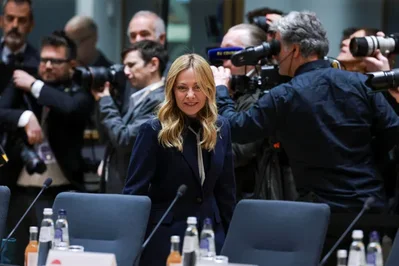
European Central Bank (ECB) President Christine Lagarde speaks with Italian Prime Minister Giorgia Meloni as leaders gather for a European Union special summit in Brussels, Belgium, November 26, 2026. REUTERS/Stephanie Lecocq

Fiscal battles intensified over a proposed €45 billion EU loan to cover Kyiv's needs through 2027. Slovakia, the Czech Republic, Hungary, and Bulgaria have objected to mandatory contributions.

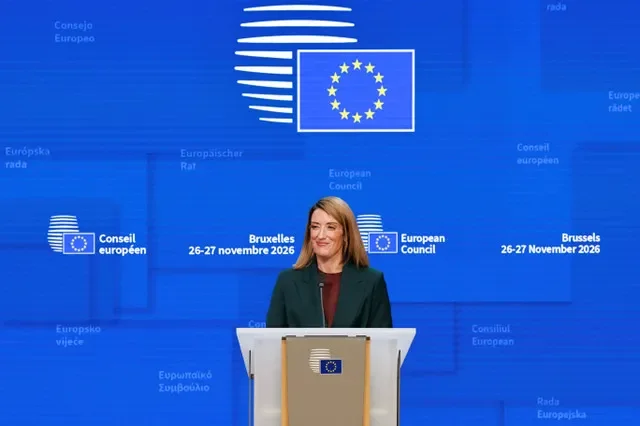
European Parliament President Roberta Metsola attends a press conference on the day of a European Union special summit in Brussels, Belgium, November 26, 2026. REUTERS/Stephanie Lecocq TPX IMAGES OF THE DAY

Those objections highlight broader tensions between net contributors like Sweden and the Netherlands—who demand budget reductions and a focus on competitiveness against rivals like the United States and China—and net beneficiaries who rely on regional cohesion funds. Additional support for Kyiv in 2027 is expected to draw €25 billion from partners including the United Kingdom, Norway, Japan, Switzerland, and Canada to close the funding gap.

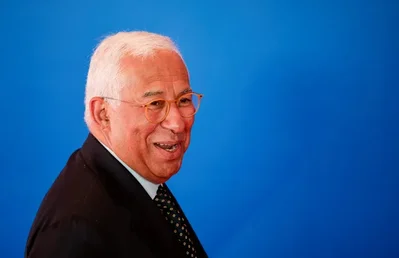
EU Council Chairman Antonio Costa is scheduled to present a revised budget proposal ahead of the formal voting sessions on December 17 and 18.

Assets in this story

Insightful questions