US Inflation Jumps 0.9 Percent on Record Gasoline Costs
US consumer prices rose 0.9 percent in March as the conflict with Iran caused gasoline costs to surge. The increase pushed annual inflation to 3.3 percent.

Consumer prices in the United States climbed at their fastest pace in nearly four years during March, as geopolitical tensions led to a historic surge in energy costs. The Labor Department reported on Friday that the Consumer Price Index (CPI) rose by 0.9% for the month, the sharpest increase since June 2022. This acceleration brought the 12-month inflation rate to 3.3%, up from 2.4% in February, complicating the economic outlook for the current administration.
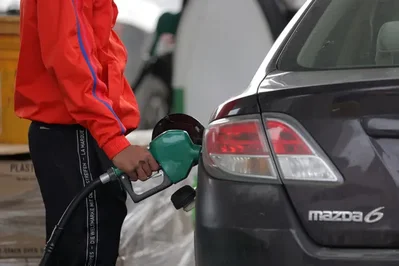
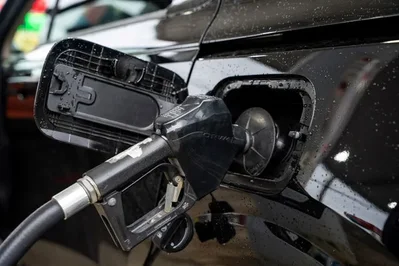
The primary catalyst for the spike was a 21.2% jump in gasoline prices, which accounted for nearly three-quarters of the total monthly CPI increase. This surge followed the escalation of conflict between Israel and Iran, which has disrupted global energy supplies and sent benchmarks like Brent Crude Oil and West Texas Oil significantly higher.
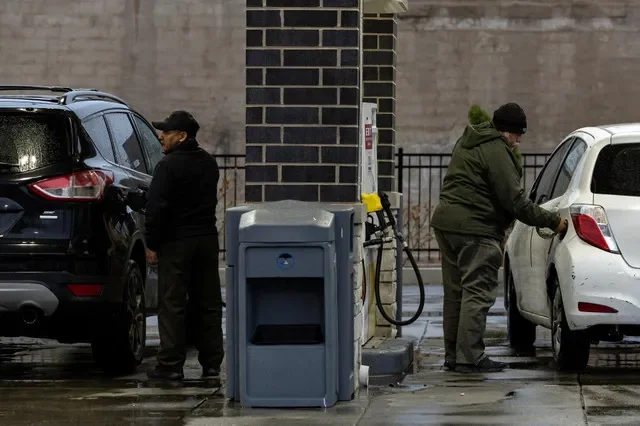
The impact on transportation fuels was widespread. While WT GASOLINE dominated the headlines, other fuels such as GASOIL DIESEL ETC VON BNPP saw an even more dramatic rise of 30.8%, the largest increase on record. These figures mirror the volatility seen during the initial stages of the conflict between Russia and Ukraine several years ago.
Christopher Rupkey, chief economist at FWDBONDS, highlighted the historical significance of such energy shocks.
Every recession since the 70s has been preceded by an energy price shock and if consumers thought there was a cost of living crisis before, get ready, as you havent seen nothing yet.
Despite the headline surge, the core CPI—which excludes food and energy—rose by a more moderate 0.2% in March. This measure was tempered by falling prices for used cars and trucks, though increases were noted in rents, airline fares, and apparel. However, analysts suggest that these core figures do not yet reflect the secondary effects of the oil price shock, which are expected to filter through the economy in the coming months.

The Federal Reserve, which targets a 2% inflation rate, is now facing increased pressure. Recent minutes from the central bank's March meeting indicated that some policymakers are considering the necessity of further rate hikes rather than cuts. With the labor market remaining stable and inflation firming, the prospect of reduced borrowing costs in 2026 appears increasingly unlikely. Economists remain concerned that a prolonged Middle East conflict could eventually force households to pull back on discretionary spending, potentially undermining the broader economic recovery.