Funding Deficits Deepen Crisis
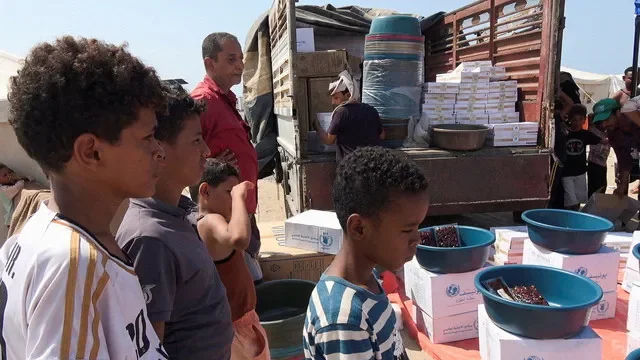
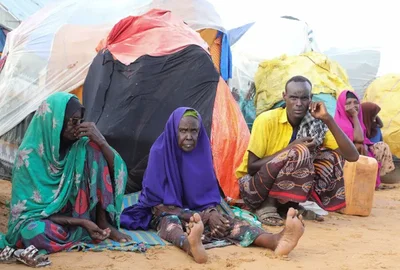
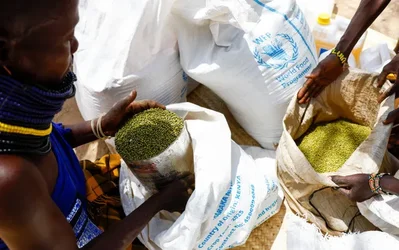
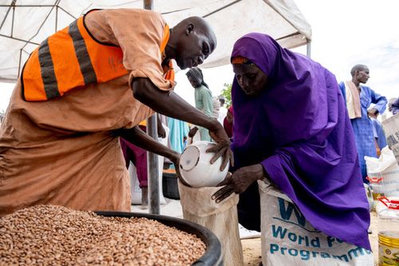
The Food and Agriculture Organization and World Food Programme identified Sudan, South Sudan, Somalia, Nigeria, and Yemen as facing the gravest threats from conflict and economic hardship. Aid for these five countries fell by two-thirds between 2022 and 2025, according to Conor Elliott, a senior official in the FAO emergencies and resilience office.
These are huge changes in international support, Elliott said, warning that budget cuts impair data collection needed to measure the catastrophe.
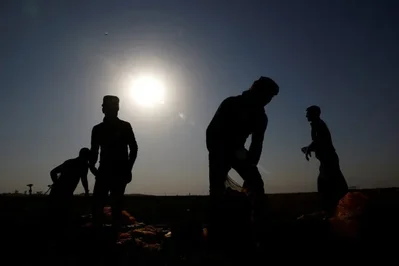
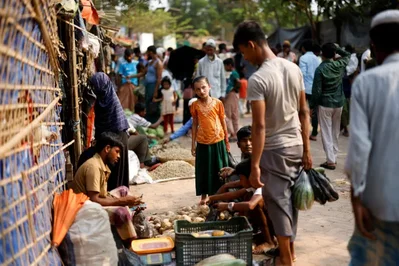
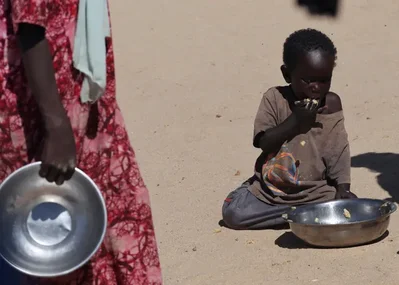
Armed conflict drives hunger in 12 of the 16 hotspots, compounded by rising food, energy, and transport costs. The expansion added Chad, Uganda, and parts of southern Africa and Central America to the monitoring list, while Lebanon was removed.
El Niño Threatens Vulnerable Regions
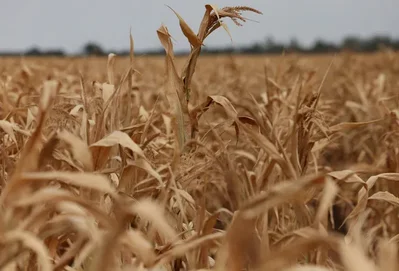
The developing El Niño weather pattern threatens to aggravate food insecurity by bringing drought to southern Africa and Central America while triggering destructive floods in eastern Africa. Afghanistan, Haiti, the Democratic Republic of the Congo, and Palestine also remain areas of very high concern.
Famine threatens 13 areas of North Darfur and South Kordofan through January 2027 as fighting disrupts food production and aid deliveries. Meanwhile, Gaza was downgraded from the highest level of concern following food security improvements after an October 2025 ceasefire.
The FAO and WFP will release updated hunger hotspot assessments for the June to November 2027 period on May 28.