Funding Pressures Strain Regional Operations
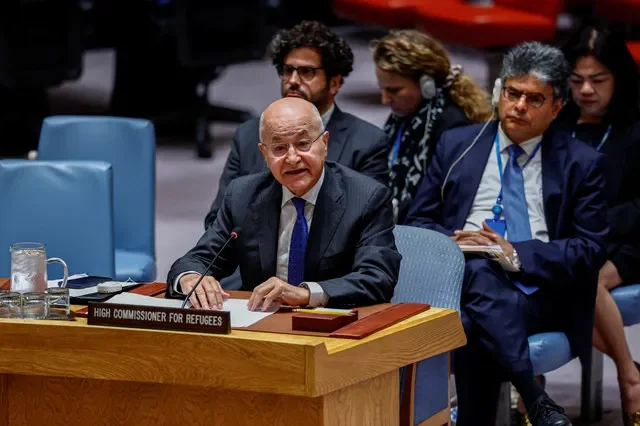
High Commissioner Barham Salih told an executive committee meeting in Geneva on Monday that restructuring cannot indefinitely compensate for shrinking donor support. UNHCR expects funding to hover around $2.68 billion next year, with potential improvements depending on a December pledging conference. Salih noted that 88% of remaining staff operate outside headquarters, with 95% of protection personnel retained in the field.
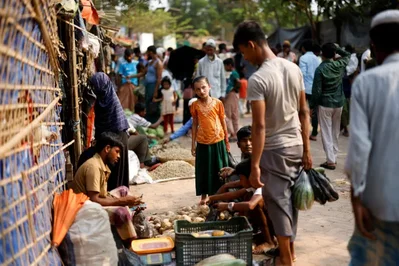
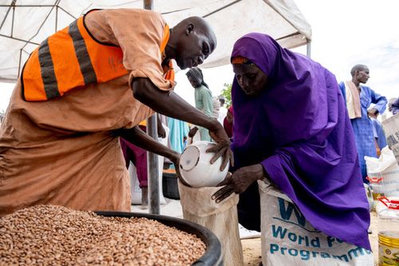
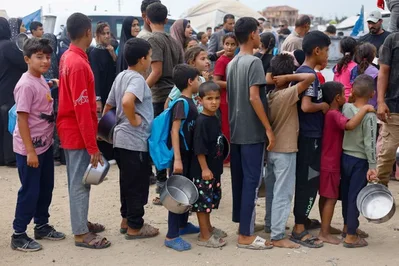
The crisis is disrupting vital programmes across multiple nations. In Chad, insufficient funds risk medical care and legal assistance for over 50,000 survivors of conflict-related sexual violence who fled Sudan. Meanwhile, Ethiopia suspended refugee registration for tens of thousands fleeing from South Sudan and Eritrea.
The Americas Face Steepest Cuts
Colombia raised concerns that Latin America is bearing a disproportionate impact from the budget constraints. The Americas region, encompassing the US, Canada, Latin America, and the Caribbean, faces a 32% budget reduction in 2027—amounting to $485 million—the largest drop globally. This reduction coincides with a projected 4% rise in forcibly displaced and stateless people in the region, reaching 24.5 million individuals.
UNHCR will review its financial outlook at the donor pledging conference in December.