
UK factory growth continues for fourth straight month
UK manufacturing grew for a fourth month in February as export orders hit a four-year high. Firms reported rising costs despite steady global demand levels.

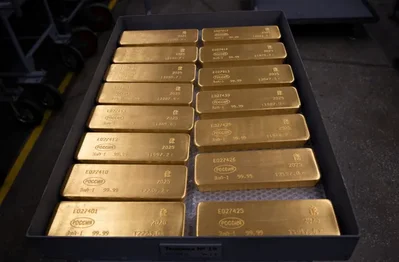
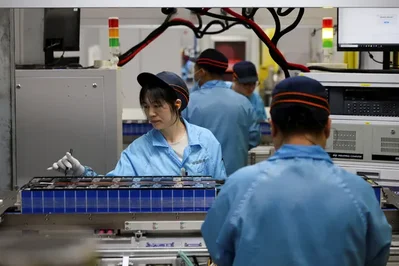
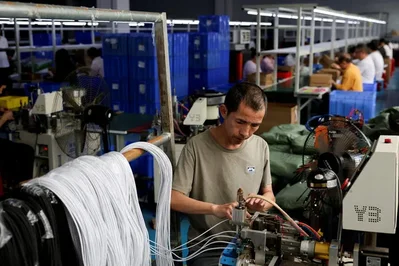
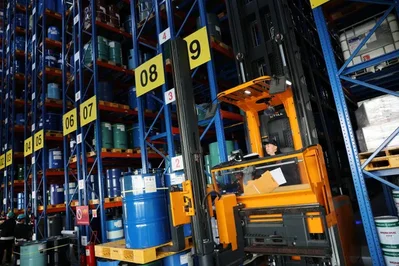
Manufacturing activity in the United Kingdom expanded for the fourth consecutive month in February, supported by the strongest growth in export orders in over four years. According to data released on Monday by S&P Global Inc., the sector is maintaining steady momentum at the start of 2026 despite mounting cost pressures and geopolitical concerns. The S&P Global Purchasing Managers Index (PMI) for British manufacturing reached 51.7 in February. Although this was a marginal decrease from January’s 51.8—the highest reading since August 2024—it remains above the 50.0 threshold that separates growth from contraction. This performance marks the longest continuous period of expansion for the industry since September 2024. A key highlight of the report was the rise in new export orders, which climbed to 52.4 from 51.9, the highest level since August 2021. This surge was driven by increased demand from major global markets, including China, Europe, the United States, and the Middle East. Rob Dobson, a director at S&P Global Market Intelligence, highlighted the positive outlook for the sector. > UK manufacturing has made an encouraging start to 2026. Dobson noted that while new product launches and planned investments are expected to drive growth, some companies remain cautious due to recent government policy changes and uncertainty regarding international trade tariffs. This sentiment comes as the Labour government led by Prime Minister Keir Starmer faces political pressure following a significant defeat in a recent parliamentary by-election in Greater Manchester. On the labor front, while the national unemployment rate hit a five-year high in late 2025, the PMI survey suggested that the downturn in hiring is beginning to stabilize. The rate of job losses in the manufacturing sector eased to its weakest level in 16 months. However, businesses are facing the most significant cost increases since August 2025. Manufacturers reported higher prices for energy, chemicals, and electronic components, alongside rising costs for industrial metals such as copper and precious metals including Gold and Silver. These inflationary pressures are being compounded by higher labor costs resulting from last year's increases in the minimum wage and employment taxes.