U.S. Shifts Venezuelan Oil Embargo to Negotiated Export Deal
The U.S. has transitioned from a strict embargo on Venezuelan oil to a negotiated export arrangement. Major trading houses Vitol and Trafigura have been licensed to facilitate exports under a $2 billion deal.
Insights:
The U.S. embargo on Venezuelan oil, imposed by President Donald Trump donald trumpin mid-December, has evolved from a rigid blockade into a structured export arrangement. This strategic shift comes as the Trump administration begins issuing licenses to major trading houses Vitol and Trafigura to facilitate organized crude exports under a $2 billion oil supply deal currently being negotiated between Caracas and Washington. This move marks a significant recalibration in U.S.-Venezuela relations, with implications for the global oil market.
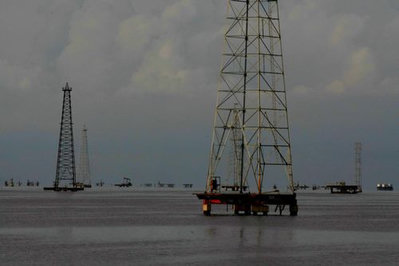
Initially, the embargo saw a dramatic response from Venezuela, with at least four tankers attempting to defy the blockade by departing Venezuelan waters in early January with transponders off. However, these vessels have since returned to Venezuelan waters, highlighting the enforcement challenges of such defiance. In response, the U.S. has selectively intercepted vessels, including the Panama-flagged supertanker M Sophia, which was seized, and the Aframax tanker Olina, flagged from Sao Tome and Principe, which was released back to Venezuela. Satellite imagery also identified three vessels—Merope, Min Hang, and Thalia III—within Venezuelan waters late last week.