U.S. Ousts Maduro, Redirects Venezuelan Oil to American Ports
The U.S. ousted Venezuelan President Nicolas Maduro on January 3, taking control of Venezuela's oil flows. This has widened the WTI-Brent spread to $4.76 per barrel, the largest since April, amid escalating Iranian tensions.
Insights:
In a significant geopolitical move, the United States  USousted Venezuelan President Nicolas Maduro nicolas maduroon January 3, gaining control over Venezuela's
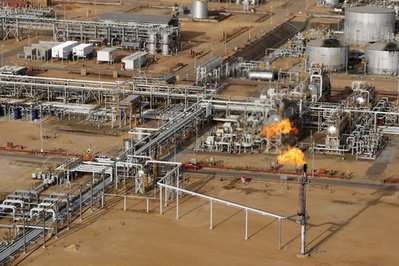
  VE substantial oil resources. This strategic shift has resulted in the redirection of up to 50 million barrels of Venezuelan crude oil to American ports, reshaping the global oil market dynamics. The sudden influx of Venezuelan crude is exerting downward pressure on West Texas Intermediate (WTI) Crude Oil Futures , widening the spread between WTI and Brent Crude Oil Futures to $4.76 per barrel, the largest since April. This widening spread has been driven by oversupply expectations in the U.S. market, leading to increased export opportunities for American crude at steeper discounts. Traders typically aim for a $4 discount to Brent to ensure profitability on exports, making the current $4.76 spread particularly advantageous. The United States Oil Fund , Energy Select Sector SPDR Fund , and SPDR S&P Oil & Gas Exploration & Production ETF are likely to feel the ripple effects of these developments as the market adjusts. Meanwhile, escalating tensions in Iran
  IR are contributing to a rise in Brent prices. The premium of Brent over the Middle East's Dubai crude has reached its highest level since July, further illustrating the divergent pressures on global oil benchmarks. This dual-driver scenario presents a unique challenge and opportunity for market participants. Venezuelan cargoes are set to start loading for the U.S. this week, with the potential to increase American crude exports by an additional 100,000 barrels per day in the first quarter of 2026. In December, the U.S. exported an average of 3.7 million barrels per day, with the potential for further growth as Venezuelan oil flows continue. The impact of these developments is expected to be felt across global markets, as the interplay between U.S. and Venezuelan oil dynamics and Iranian geopolitical tensions continues to evolve. While the immediate effects are clear, the long-term implications on the global oil supply chain remain to be seen.
USousted Venezuelan President Nicolas Maduro nicolas maduroon January 3, gaining control over Venezuela's VE substantial oil resources. This strategic shift has resulted in the redirection of up to 50 million barrels of Venezuelan crude oil to American ports, reshaping the global oil market dynamics. The sudden influx of Venezuelan crude is exerting downward pressure on West Texas Intermediate (WTI) Crude Oil Futures , widening the spread between WTI and Brent Crude Oil Futures to $4.76 per barrel, the largest since April. This widening spread has been driven by oversupply expectations in the U.S. market, leading to increased export opportunities for American crude at steeper discounts. Traders typically aim for a $4 discount to Brent to ensure profitability on exports, making the current $4.76 spread particularly advantageous. The United States Oil Fund , Energy Select Sector SPDR Fund , and SPDR S&P Oil & Gas Exploration & Production ETF are likely to feel the ripple effects of these developments as the market adjusts. Meanwhile, escalating tensions in Iran IR are contributing to a rise in Brent prices. The premium of Brent over the Middle East's Dubai crude has reached its highest level since July, further illustrating the divergent pressures on global oil benchmarks. This dual-driver scenario presents a unique challenge and opportunity for market participants. Venezuelan cargoes are set to start loading for the U.S. this week, with the potential to increase American crude exports by an additional 100,000 barrels per day in the first quarter of 2026. In December, the U.S. exported an average of 3.7 million barrels per day, with the potential for further growth as Venezuelan oil flows continue. The impact of these developments is expected to be felt across global markets, as the interplay between U.S. and Venezuelan oil dynamics and Iranian geopolitical tensions continues to evolve. While the immediate effects are clear, the long-term implications on the global oil supply chain remain to be seen.