
TSMC Raises Annual Revenue Forecast on Strong AI Demand
TSMC raised its revenue outlook and capital spending as AI demand drives record profits. The company expects annual growth to exceed 30 percent this year.

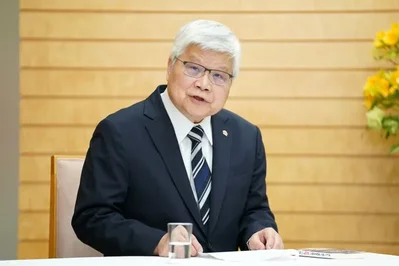
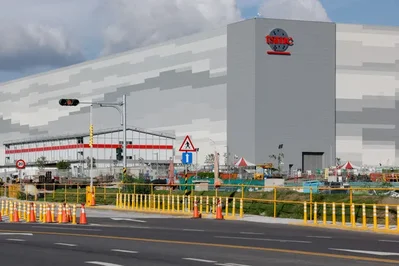
TSMC Global Ltd has raised its annual revenue forecast and increased its capital spending plans to meet the persistent demand for advanced artificial intelligence chips. The company, a major supplier to NVIDIA CORP, reported a record first-quarter profit of T$572.5 billion ($18.2 billion), representing a 58% increase that exceeded market expectations and marked eight consecutive quarters of double-digit growth. Chief Executive C.C. Wei stated during an earnings call that while the company is navigating macroeconomic uncertainties linked to conflicts in the Middle East, the demand for AI technology remains robust. >\"Our conviction in the multi-year AI megatrend remains high, and we believe the demand for semiconductors will continue to be very fundamental.\" Full-year revenue in U.S. dollar terms is now expected to grow by more than 30%, up from an earlier forecast of nearly 30%. Capital expenditure is slated for the high end of the previously guided $52 billion to $56 billion range. To support this, the company is expanding its 3-nanometer production capacity across Taiwan, the United States, and Japan, with plans for mass production through 2028. >\"Production capacity remains very tight.\" In the American market, the investment includes a $165 billion commitment to chip factories in Arizona. Ben Barringer, head of technology research at Quilter Cheviot, noted the high utilization of the firm's facilities. >\"Essentially, TSMCs fabs are running hot and the AI story just keeps delivering.\" For the current quarter, the manufacturer projects sales between $39 billion and $40.2 billion. Revenue from advanced 3-nanometer chips now accounts for 25% of total sales, up from 6% in the third quarter of 2023. The company’s market capitalization has reached approximately $1.7 trillion, nearly double that of its rival in South Korea, SAMSUNG ELECTRONICS CO LTD. Regarding potential supply chain issues for materials like helium and hydrogen due to geopolitical tensions, the firm confirmed it maintains safety stocks and sources from multiple global regions. Competition is also evolving as TESLA INC plans to develop an advanced AI chip complex in Austin, a project INTEL CORP joined last week. Wei emphasized that there are no shortcuts in the industry, as building new fabrication plants requires several years, though he noted both companies remain customers. >\"We are very confident about our technology position.\"