Trump Administration Eases Iran Oil Sanctions for 30 Days
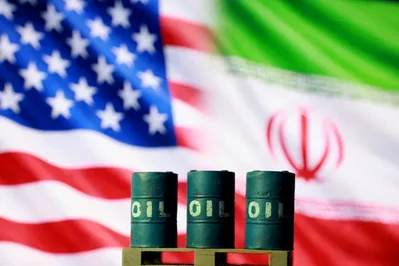
The Trump administration issued a 30-day waiver for Iranian oil at sea to lower energy prices. This move aims to release 140 million barrels into global markets.

The United States administration has issued a 30-day waiver on sanctions for Iranian oil currently at sea, a strategic move aimed at lowering energy prices amid the ongoing conflict between Israel and Iran. Treasury Secretary Scott Bessent announced the decision on Friday, noting that the waiver is expected to bring approximately 140 million barrels of oil to global markets to relieve supply pressures.
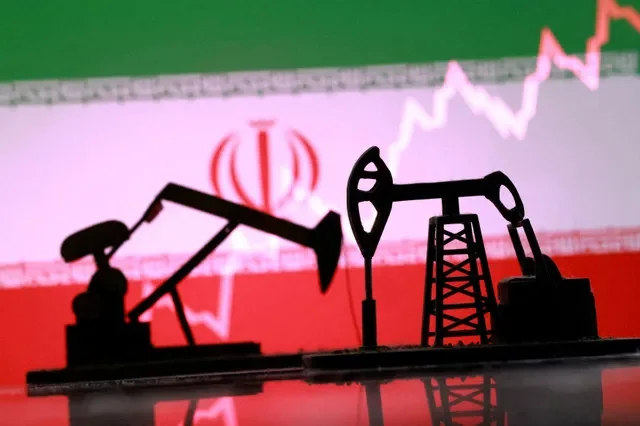
Global energy markets have seen Brent Crude Oil prices rise by nearly 50% since late February, recently surpassing $100 per barrel. This spike follows a series of military strikes and the effective closure of the Strait of Hormuz, which handles about 20% of the world's oil and liquefied natural gas. The White House is reportedly concerned that high fuel prices could impact American businesses and consumers ahead of the upcoming November midterm elections.
The temporary license, which expires on April 19, allows for the import of Iranian crude and petroleum products to complete sales or deliveries. While the move is intended to stabilize global supplies, it excludes several regions, including Cuba, North Korea, and Crimea. The waiver is expected to primarily benefit China, the leading purchaser of Iranian crude. Energy Secretary Chris Wright stated that these supplies could reach Asian markets within three or four days and enter general circulation after refining.
This action represents the third time in a little more than two weeks that the Treasury Department has waived sanctions on oil from adversaries. Previous measures included easing restrictions on Russia and issuing a license for India to purchase stranded Russian oil.
"In essence, we will be using the Iranian barrels against Tehran to keep the price down as we continue Operation Epic Fury," Bessent said.
Despite the easing of these specific sanctions, the administration maintains that it will continue to restrict Tehran's access to the international financial system to prevent the regime from accessing revenue generated by the sales. In addition to the oil waiver, the administration recently announced a 60-day suspension of the Jones Act to facilitate the movement of fuel and fertilizer between domestic ports. However, some market analysts, such as Brent Erickson of Obsidian Risk Advisors, argue that these efforts may have limited impact as long as key shipping lanes remain blocked.
"If weve reached the point of loosening sanctions on the country we are at war with, were really running out of options," Erickson said.
The decision has received support from some foreign policy experts. Mark Dubowitz, CEO of the Foundation for the Defense of Democracies, commented on the tactical advantage of the move.
"This is a smart move ... to help win the fight against the regime," Dubowitz said on X.