Strait of Hormuz Closure Drives Record Oil Supply Loss
The conflict has removed 12 million barrels per day from the market, surpassing the daily losses of the 1970s. Global gas and fuel supplies also face shortages.

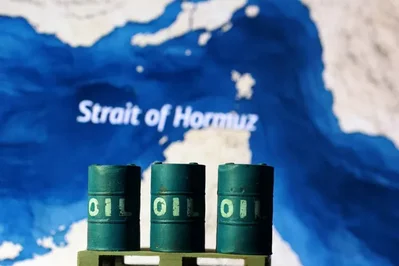
The conflict involving the United States, Israel, and Iran has triggered the most significant daily oil supply disruption in history. According to calculations based on International Energy Agency (IEA) and U.S. Department of Energy data, the closure of the Strait of Hormuz has resulted in a loss of output that exceeds all previous energy shocks. The IEA has characterized the current situation as an unprecedented challenge to global energy security.
The conflict is the worst energy crisis the world has faced, when combined with the tail end of the European gas crisis caused by Russia's invasion of Ukraine in 2022.
The scale of the current disruption is vast, with peak supply losses reaching more than 12 million barrels per day (bpd), representing approximately 11.5% of global demand. This figure surpasses the 4.5 million bpd lost during the 1973-74 Arab oil embargo and the 5.6 million bpd disruption of the 1978-79 Iranian Revolution. Markets for Brent Crude Oil and West Texas Oil have faced extreme volatility as the world grapples with the fallout from the war, which follows the instability previously seen in European markets.
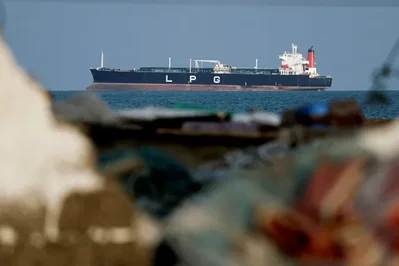
Unlike previous crises that primarily affected crude oil, this shock has simultaneously impacted Natural Gas, refined fuels, and fertilizers. The shutdown of the Strait of Hormuz has halted roughly 20% of global liquefied natural gas (LNG) production, primarily centered in Qatar. This broader impact reflects how global trade links have deepened since the 1970s, making the modern economy more vulnerable to disruptions in the Middle East.
In terms of cumulative impact, the current conflict has removed an estimated 624 million barrels from the market over its first 52 days. While the 1978-79 revolution eventually resulted in a larger cumulative loss of 4.27 billion barrels over three years, the current crisis has already matched the total impact of the 1973 Arab oil embargo. Furthermore, major producers like Saudi Arabia and the United Arab Emirates are currently unable to utilize their spare capacity. Even the massive infrastructure of SAUDI ARABIAN OIL CO has been constrained by the inability to ship products through the blocked maritime corridor.
Historical data from Australia and other IEA members indicate that the 1991 Gulf War resulted in a cumulative loss of at least 516 million barrels, a figure already eclipsed by the ongoing hostilities. While the United States was the primary victim of the 1970s shocks, the current crisis has hit Asia and Africa hardest due to their reliance on Gulf-produced jet fuel and diesel. The IEA has responded by releasing a record 400 million barrels from strategic stockpiles to mitigate the impact of the lost Middle Eastern supply.