Sterling Rises as Markets Focus on BoE and Middle East
The British pound rose on Monday as investors focused on the Bank of England's rate decision. Policymakers are widely expected to keep interest rates steady at 3.75% this week.

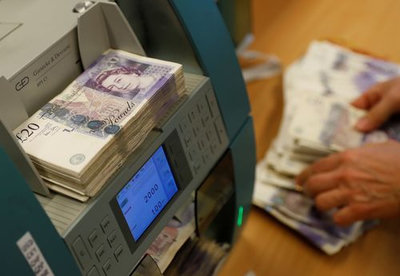
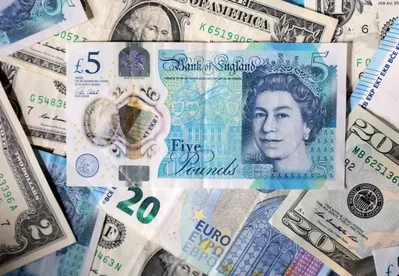
The British pound edged higher on Monday, marking its first gain in a week as investors balanced geopolitical tensions in the Middle East against upcoming monetary policy signals from the Bank of England. Despite the slight recovery, the currency remained near three-month lows as the United States dollar continued to attract safe-haven flows. Market participants are closely watching the United Kingdom central bank, which is widely expected to maintain interest rates at 3.75% during its meeting this Thursday.

Sterling was last recorded up 0.2% at $1.3248, recovering slightly from a recent trough of $1.3222. Against the euro, the currency pair EUR/GBP remained relatively steady at 86.37 pence. Since the escalation of conflict involving Iran, global investors have favored the dollar over traditional defensive assets such as gold, government bonds, or the currency of Switzerland.
The pound has shown more resilience than some of its peers, losing 1.7% in value over the last three weeks compared to sharper declines of 2% for the currency of Japan and 3% for the euro. Analysts attribute this relative strength to the lower reliance of the British economy on energy imports compared to the euro zone or East Asia, alongside higher domestic borrowing rates.
Upcoming labor market data from the British government is expected to provide further clarity on the trajectory of interest rates. While wage growth has remained resilient, recent indicators suggest a softening employment market. Investors are particularly keen to see if Governor Andrew Bailey aligns with market pricing, which currently suggests one potential rate hike by the end of the year, a shift from previous expectations of multiple cuts.
“A weaker job market, combined with persistent inflation, has contributed to sluggish economic growth.”
Laurence Booth, global head of capital markets at CMC Markets, noted that rising oil prices and shifting global expectations for interest rate cuts could place additional pressure on the pound if labor conditions continue to weaken.