
Sterling declines as US Navy blockades Strait of Hormuz
The pound fell as US-Iran talks failed and a blockade of the Strait of Hormuz began. Surging oil prices are driving new inflation and interest rate concerns.

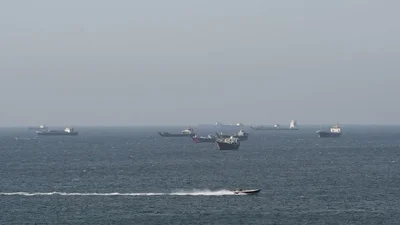
The British pound retreated against a strengthening dollar on Monday after diplomatic efforts between the United States and Iran collapsed. The subsequent announcement of a naval blockade in the Strait of Hormuz by the U.S. Navy has sent energy prices climbing, putting pressure on the currency of the United Kingdom. The GBP/USD exchange rate fell 0.2% to $1.3429, paring some of the gains from its strongest weekly performance since March 2025. In contrast, the EUR/GBP pair remained relatively stable, trading at approximately 87.02 pence. The geopolitical tension has had an immediate impact on the commodities market, where Brent Crude Oil futures jumped 8% to trade above $102.50 per barrel. This surge is driven by fears that the blockade will disrupt critical maritime traffic entering and exiting Iranian ports. Tommy von Brömsen, an FX strategist at Handelsbanken, noted that the outlook for European currencies remains clouded by the energy situation. > "Even if we get a resolution to the war ... were still likely to see lingering higher energy prices, and I think the pound and the euro are not in a very good seat right now." The rising cost of energy has shifted expectations for monetary policy. While Bank of England Governor Andrew Bailey previously cautioned that markets were premature in expecting rate hikes, money market futures are now pricing in nearly two quarter-point increases for 2026. This represents a significant shift from earlier in the year when investors anticipated multiple rate cuts. Moyeen Islam, senior sterling rates strategist at Barclays, highlighted the deteriorating inflationary outlook. > "The deterioration due to rising energy prices that youve seen in inflationary conditions, or short-term expected inflationary conditions, by the end of the year looks materially worse than it was, and I find it hard to think back that we can row back to pricing in cuts for 2026." The U.S. Central Command confirmed that the implementation of the blockade began at 10 a.m. ET on Monday, following the failure of the two sides to reach a deal to end the conflict.