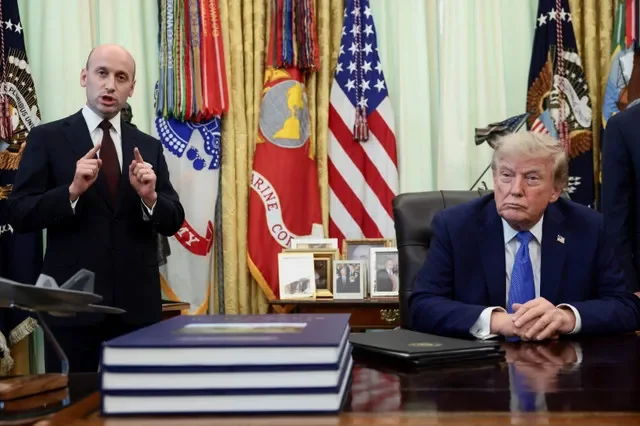
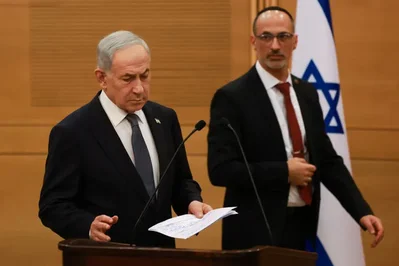
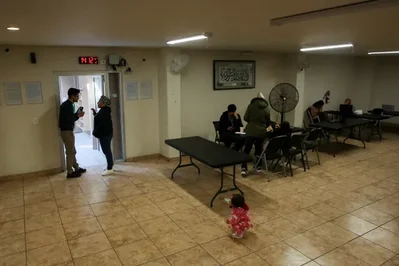
"The merits in this case are clear-cut," US District Judge Christopher Cooper said, noting that the Supreme Court has twice confirmed that all children born in the country are citizens, save for a small handful not subject to federal law. The preliminary injunction bars the Department of State, the Department of Homeland Security, and the Social Security Administration from enforcing the order against children covered by the class action.
Legal Precedent and Opposition
The ruling follows a September decision by a federal judge in Maryland that also blocked the executive order. White House spokeswoman Lauren Bis called the decision an attempt by an activist judge to thwart the president's agenda, maintaining that the order aligns with Supreme Court analysis.
The Supreme Court has twice rejected efforts to gut birthright citizenship, in 1898 and again earlier this year. Third time is not the charm.
Cody Wofsy, an American Civil Liberties Union lawyer representing the plaintiffs, said the administration must accept that birthright citizenship remains the law of the land. Cooper's ruling cited the 1898 Supreme Court decision in United States v. Wong Kim Ark, which established that birthright citizenship applies regardless of parents' immigration status.
The administration will need to overturn both the Washington, D.C. and Maryland federal decisions to implement the restrictions. The United States District Court for the District of Columbia will hold further proceedings on the class action lawsuit as the legal battle continues.