
Russian Pipeline Gas Exports to Europe Rise 22 Percent
Russian gas exports to Europe via TurkStream rose 22 percent in March. The increase follows shipping disruptions and the end of the Ukrainian transit route.

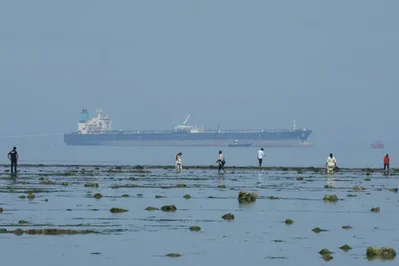
Russia has recorded a 22% year-on-year increase in its average daily Natural Gas supplies to Europe via the TurkStream undersea pipeline for March. According to calculations, daily volumes reached 55 million cubic metres as energy markets reacted to significant logistical constraints in other regions. The increase in demand for Russian pipeline gas coincides with the effective closure of the Strait of Hormuz to most shipping traffic. This critical waterway, which typically handles roughly 20% of the world's Brent Crude Oil and liquefied natural gas products, has been disrupted due to the ongoing war involving Iran. This geopolitical instability has left global energy markets exposed, prompting a shift in supply patterns. Following the expiration of a transit agreement in January 2025, Ukraine declined to renew its gas transport deal with Moscow. As a result, Turkey now serves as the primary transit corridor for Russian gas exports to the European continent. Data from the European gas transmission group Entsog indicates that total supplies via TurkStream reached 1.7 billion cubic metres (bcm) last month, compared to 1.4 bcm in March 2025. While monthly levels remained stable compared to February, total exports for the first quarter of the year rose by 11% to approximately 5 bcm. GAZPROM PJSC has not provided monthly statistics since the beginning of 2023 and did not offer a comment on the latest data. The company's annual exports to Europe have seen a sharp decline in recent years, falling 44% in 2023 to 18 bcm, the lowest volume recorded since the mid-1970s. This is a stark contrast to the peak years of 2018 and 2019, when annual pipeline exports to the region hovered around 180 bcm.