Russian Central Bank Navigates Rising Prices Following Value Added Tax Hike
A two percent VAT increase has sparked faster than expected price growth in Russia. The central bank is monitoring the shift to maintain economic stability.
Insights:
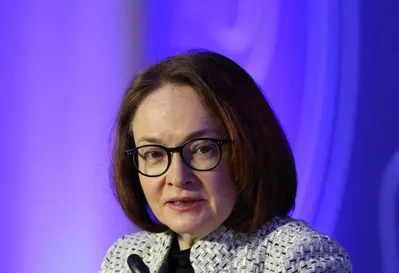
RU  RUimplemented a 2-percentage-point increase in its value-added tax to 22% at the start of 2026. This fiscal adjustment was designed by the Russian Federal Government to boost the State Budget and compensate for increased military spending alongside falling revenues from Crude Oil and Natural Gas . Economists report that this VAT rise sparked faster-than-expected price growth in the first half of January 2026, creating immediate challenges for the country's monetary authorities.
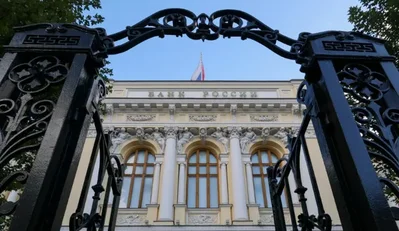
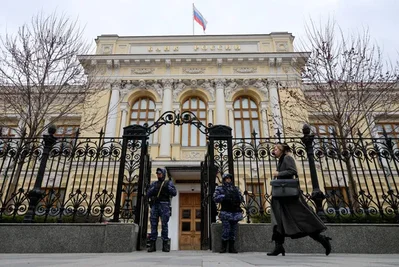
RUimplemented a 2-percentage-point increase in its value-added tax to 22% at the start of 2026. This fiscal adjustment was designed by the Russian Federal Government to boost the State Budget and compensate for increased military spending alongside falling revenues from Crude Oil and Natural Gas . Economists report that this VAT rise sparked faster-than-expected price growth in the first half of January 2026, creating immediate challenges for the country's monetary authorities.The Russian Central Bank is currently managing these inflationary pressures while keeping its key interest rate at 16%. The regulator has maintained high interest rates for years in an effort to bring inflation back down to its target of 4%. Although consumer prices rose by 5.59% in 2025 compared to 9.52% in 2024, household inflation expectations remain high. Such high interest rates have drawn complaints from businesses and squeezed consumers, contributing to structural pressures on consumer spending and corporate profitability across various sectors.