Railroads Recapture Freight Amid Tight Trucking Capacity
U.S. railroads gain freight as rising road rates and driver shortages tighten truck capacity. Major carriers expect growth to come from highway conversions.

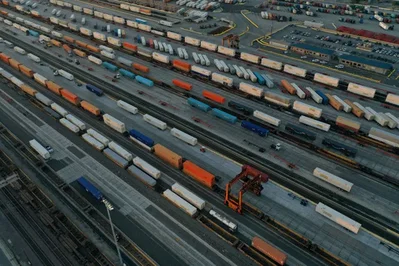
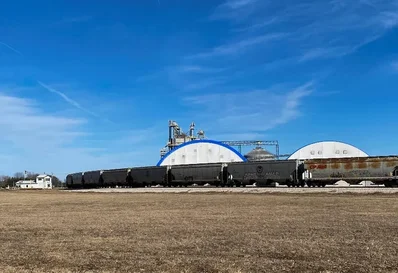
Major railroad operators in the United States are moving to reclaim market share from the trucking industry as a combination of shrinking road capacity and rising freight rates alters the competitive landscape. For several years, the logistics sector was defined by low trucking rates and high flexibility, which allowed road carriers to siphon cargo away from rail networks. However, market analysts suggest this dynamic is currently undergoing a significant reversal. According to the freight brokerage C.H. Robinson Worldwide, Inc., trucking capacity is tightening as smaller carriers exit the market and federal authorities increase scrutiny regarding driver licensing and safety requirements. This pressure has led to a notable increase in operating costs and a decrease in driver supply. Data from DAT Freight & Analytics indicates that national van spot rates reached $2.43 per mile in February, a sharp increase from $2.03 recorded during the same period last year. CSX Corporation has stated that converting highway freight to rail is a top priority for its intermodal division. The company is actively expanding its terminal infrastructure and partnering with port authorities to develop inland hubs that are positioned closer to end markets. Similarly, Union Pacific Corporation has signaled a bullish outlook on capturing road-based cargo. During an industry event hosted by Barclays PLC, the company noted its expectations for future growth, estimating that approximately 75% of its new business will be diverted from highways. The rail industry is also looking toward consolidation and infrastructure investment to bolster its position. The pending acquisition of Norfolk Southern Corporation is expected to create the first coast-to-coast rail network in the country, a move that could potentially remove approximately 2 million trucks from the national highway system. Meanwhile, BNSF, which is owned by BERKSHIRE HATHAWAY INC-CL A, has invested in terminal expansions in major logistics hubs including Chicago, Dallas-Fort Worth, and Phoenix. Jon Gabriel, a vice president at BNSF, noted that both new and long-term customers are increasingly looking toward rail for its cost advantages and sustainability profile. > "Both new shippers and our large traditional customers are leaning more on rail for capacity, cost advantages and sustainability benefits." While some of the tightening in the truckload market was initially attributed to seasonal factors, some experts believe a more fundamental change is occurring. Drew Roy, a director at Traffix, pointed to the loss of commercial drivers as evidence of a structural shift in the industry. He noted that while intermodal rail typically requires a 15% cost advantage to be competitive, the current rise in trucking rates has made rail a viable option even on shorter hauls of around 750 miles. > "But with the loss of CDL drivers across the U.S., I think we're seeing a structural shift." Despite the current momentum for railroads, the long-term outlook remains tied to market cycles. As truck capacity eventually loosens, pricing power often returns to the highways, suggesting that the current window of opportunity for rail operators may be subject to future economic shifts. > "It's a cyclical business."