
Retail Investors Buy the Dip as Energy Shock Hits Markets
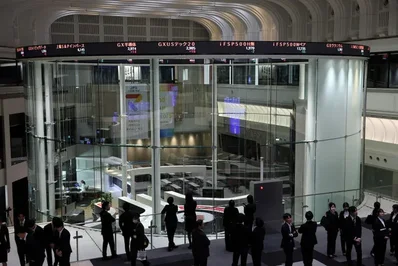
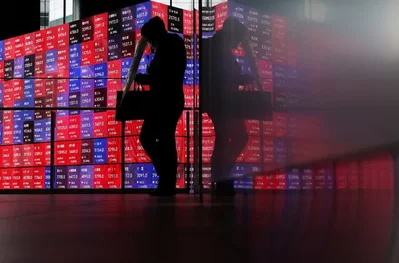
Retail traders in Asia are buying stocks on the dip as energy prices surge. Investors in Seoul and Hong Kong increased purchases despite rising market volatility.

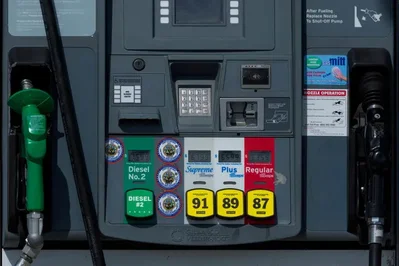
Retail traders across Asia are increasingly utilizing borrowed funds to finance stock purchases, according to market dealers, as they pivot toward rising energy prices and seek opportunities in declining equity markets. This surge in retail activity comes as a significant energy shock impacted global markets, with crude prices approaching $120 per barrel while various asset classes faced downward pressure amid concerns over a potential conflict involving Iran.
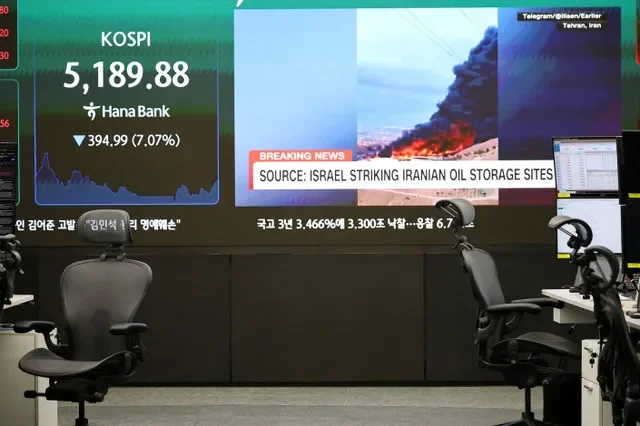
In South Korea, a primary center of recent market volatility, retail investors emerged as significant net buyers, purchasing 4.6 trillion won ($3 billion) on Monday alone. This activity brought their total month-to-date acquisitions to 15.2 trillion won. Among these individual traders was Kwon Soon-kuk, a resident of Seoul who liquidated holdings from firms such as Hyundai Rotem Company to acquire shares of Samsung Electronics Co., Ltd. during the market retreat.
"No matter how much it fluctuates up and down, it will eventually go the way it is headed towards."
Brokers noted that investors are making fresh margin payments to either extend their current positions or cover losses. This behavior reflects an established pattern of buying the dip that gained momentum during the pandemic era. In some instances, the enthusiasm of retail crowds has surpassed professional institutional movements, particularly in the United States and Hong Kong, where high trading volumes have granted individual investors greater influence over price movements.
Investors from China significantly increased their presence in the Hong Kong market through the Stock Connect link, with buying reaching a record HK$37 billion ($4.73 billion). While the Hang Seng Index fell 1.3%, it remained one of the more resilient benchmarks in the region. Michael McCarthy, CEO of Moomoo Australia, reported that trading volumes surged 25% compared to previous sessions, with the majority of trades being buy orders.
"These guys have had a fantastic experience for five years ... but this one looks bad to me."
McCarthy indicated that most trading activity on the platform involved domestic stocks and exchange-traded funds. Meanwhile, Brent Crude Oil futures have climbed more than 25% over two sessions, reaching $107 and sparking fears of an inflationary shock to global growth. Kyle Rodda, a senior market analyst at Capital.com in Melbourne, observed an extreme surge in energy product activity, with trading in oil and gas products exceeding 1000% of the average.
"For the most part, traders are just enticed by the volatility."
In Singapore, Charu Chanana, chief investment strategist at Saxo Bank, noted that the oil shock is substantial enough to cause broader macroeconomic concerns. However, retail sentiment remains focused on eventual recovery. Data from other regions suggests a similar inclination to buy dips in indices across Japan and Europe. Christopher Forbes of CMC Markets highlighted that clients are increasing leverage on oil positions and shifting capital from cryptocurrencies into harder assets like real estate or gold.
"They’re positioning for higher oil prices ... theyve made good money from $62 to here in a short period, and expect the trend is higher, even with some profit taking."
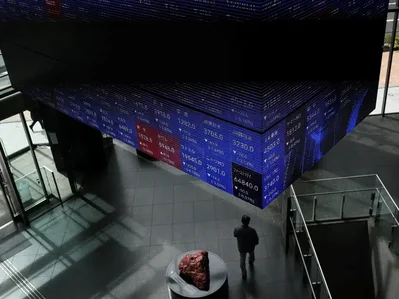
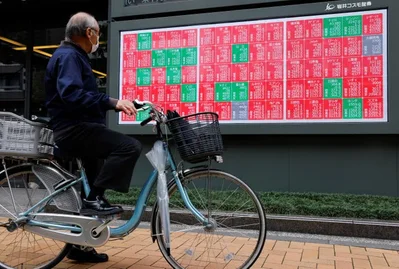
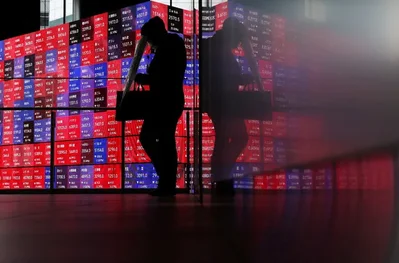
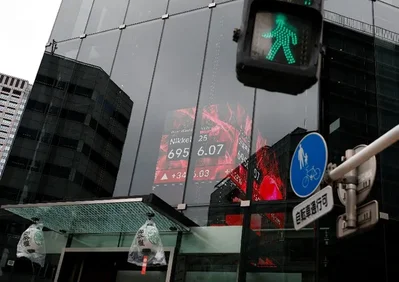
Despite the panic that saw indices in Tokyo drop by over 5%, retail participants appear undeterred. Huh Jae-hwan, an analyst at Eugene Investment Securities, explained that retail investors are entering the market at lower price points under the expectation that equity prices will recover rapidly once the current crisis subsides.