Portugal Finance Minister Reassures Investors of Stability Ahead of Presidential Run-off
Finance Minister Joaquim Miranda Sarmento says Portugal will maintain fiscal discipline. The nation expects budget surpluses despite the February run-off.
Insights:
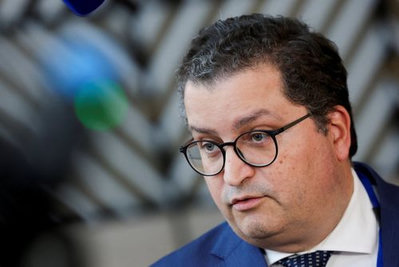
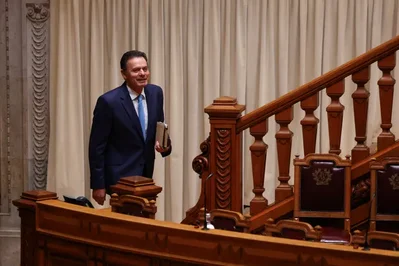
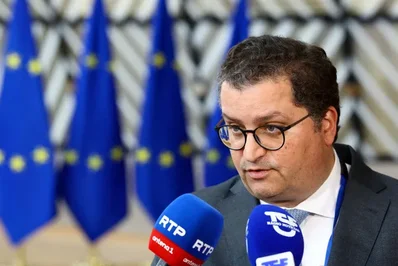
Joaquim Miranda Sarmento joaquim miranda sarmento, the Finance Minister of Portugal  PT, stated at the World Economic Forum (Davos) that the country is unlikely to face political upheaval from the upcoming presidential run-off election. Speaking on January 23, 2026, the minister emphasized that the Portuguese Government (centre-right minority administration) remains committed to maintaining budget surpluses and reducing public debt, even as the nation prepares for the February 8 vote between Antonio Jose Seguro antonio jose seguroand Andre Ventura andre ventura. The minister noted that he has never heard investor concerns regarding the stability of the country despite the fragmented nature of the Portuguese Parliament.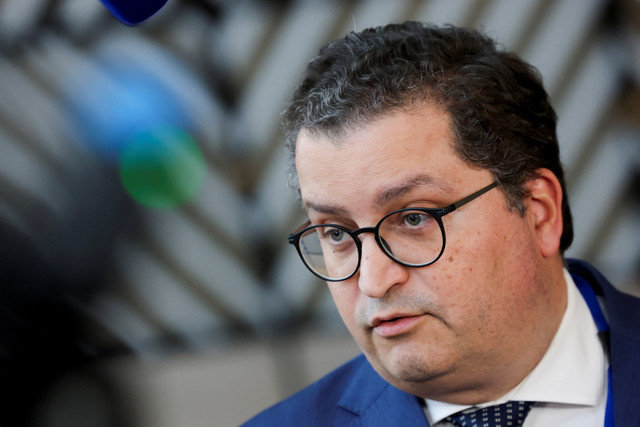
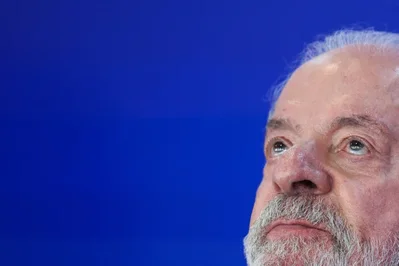
The presidential run-off comes at a time of significant political activity, though the post itself is largely ceremonial in the political system of Portugal. Andre Ventura, whose Chega (far-right populist party) is the main opposition in the Portuguese Parliament, is widely expected by political analysts to lose the run-off. However, analysts also suggest his strong performance in the first round could increase resistance to the rule of Prime Minister Luis Montenegro luis montenegro, who leads a centre-right minority administration. Despite this, the Portuguese Finance Ministry has observed that the government has been able to pass bills in parliament with support from different parties.
The current administration was re-elected in May 2025 after the Socialist Party (PS) and Chega (far-right populist party) joined together to reject a confidence motion. Since then, the government has navigated a divided legislature, passing the 2026 budget in November 2025 after the Socialist Party (PS) opted to abstain for the sake of stability. While Chega (far-right populist party) voted against the 2026 budget, the abstention allowed the government to move forward with its economic agenda. Joaquim Miranda Sarmentohighlighted that the 2026 budget targets a surplus of 0.1% of GDP, following a projected 0.3% surplus for 2025.
Fiscal discipline remains a central pillar of the government's strategy as it works to lower public debt levels. The public debt of Portugalis expected to be 90% of GDP in 2025 and is targeted to reach 87.8% of GDP in 2026. This trajectory represents a significant recovery from the COVID-19 pandemic period, when debt peaked at more than 134% of GDP in 2020. The nation’s history includes a period of international bailout austerity measures from 2011-2014, which followed a 2010 public deficit that exceeded 11%.
The government projects economic growth at 2.0% for 2025 and 2.3% for 2026. The government's ultimate goal is to lift economic growth to around 3% by 2029. To support this objective, the government is in talks with unions and employers on labour reform. While the Finance Minister acknowledged that the opposition imposed spending hikes or tax cuts in 2024 that squeezed fiscal space, he expressed confidence in the current path. Markets have remained steady, with attention on the Portugal 10-Year Government Bond and the PSI-20 Index as indicators of continued investor confidence in the nation's fiscal management.