Evaluating Funding Scenarios
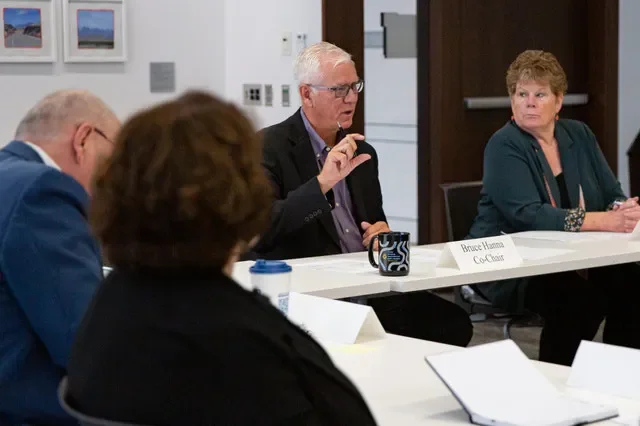
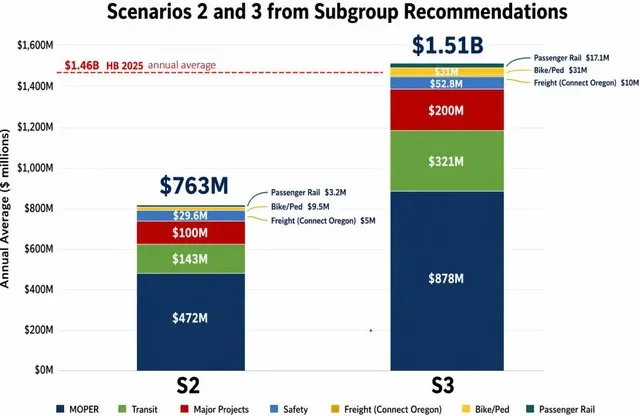
The Rebuilding Our Transportation Vision Workgroup met on November 19 to finalize findings before delivering a report due December 15. The group outlined three distinct investment tiers to prevent further degradation of state infrastructure. Scenario A adds $644 million annually to sustain essential services like maintenance and transit, though passenger rail would face elimination by 2032.
A second mid-tier option provides $1.18 billion yearly to prioritize safety and maintenance while preserving transit and freight services. The third scenario requires $1.375 billion annually and stands as the only plan allocating $100 million yearly for megaprojects. However, the agency's current major projects face a combined funding deficit exceeding $10 billion across the United States.
Revenue Hurdles Ahead
Securing new revenue remains politically contentious after voters rejected higher costs in May following a special legislative session. Kotek stated she will exclude new revenue for the agency in her December 1 budget recommendation to maintain a pragmatic approach. Kelly Brooks, the governor's transportation advisor, noted that previous legislative packages failed to materialize and left deep budget gaps.
Subgroups evaluated nearly 50 revenue sources, including controversial options like a potential sales tax and cap and trade systems. Jeff Gritz, business manager for the Laborers’ International Union of North America Oregon and Southern Idaho, urged lawmakers to take decisive action.
Oregon legislators will review the workgroup's finalized recommendations when the six-month legislative session convenes on January 11, 2027.