Oil prices rise as Iran denies holding talks with US
Brent crude rose to 101 dollars on Tuesday after Iran denied holding talks with the US. Markets remain wary as supply risks persist in the Strait of Hormuz.

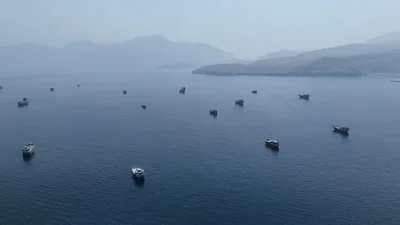
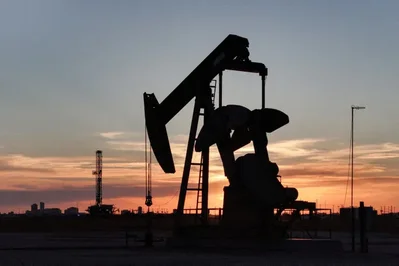
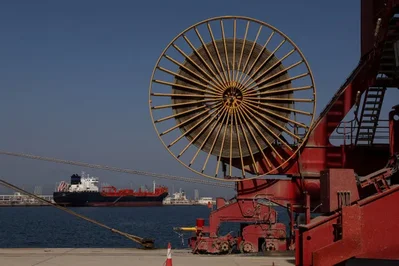
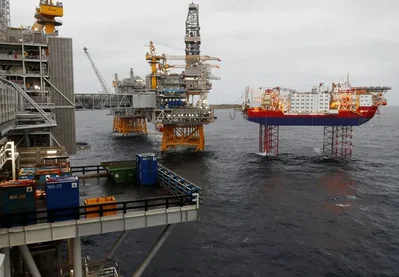
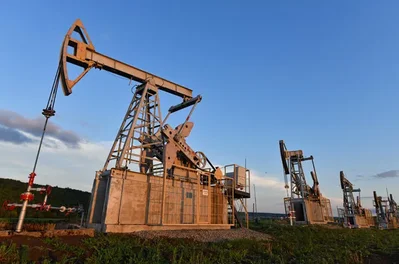
Oil prices climbed during early trading on Tuesday as market participants reassessed supply vulnerabilities following a formal denial from Iran regarding negotiations with the United States. The price correction follows a sharp decline on Monday, which was prompted by suggestions from the White House that a diplomatic resolution to the Gulf conflict might be imminent. Brent crude futures rose by $1.06, or 1.1%, to reach $101 per barrel, while West Texas Intermediate (WTI) increased by $1.58, or 1.8%, to $89.71. This recovery comes after crude futures plummeted by more than 10% in the previous session when the American administration announced a five-day delay to planned strikes on Iranian energy infrastructure. Tehran has since dismissed the claims of diplomatic contact, characterizing them as a tactical move to manipulate financial markets. The Iranian Revolutionary Guards further escalated rhetoric by announcing new strikes on American targets and dismissing recent diplomatic overtures as psychological operations. > By shelving the plan to strike Iranian power plants for five days, the U.S. effectively sucked much of the war premium from the oil price. Tim Waterer, chief market analyst at KCM Trade, noted that the current price movement reflects a market attempting to stabilize amid ongoing uncertainty. > Todays moderate bounce is just the market finding its footing in the mud. The conflict has severely impacted maritime logistics, with approximately 20% of global oil and liquefied natural gas supplies typically passing through the Strait of Hormuz. While the waterway remains a high-risk zone, some commercial activity persists, as evidenced by two tankers bound for India that successfully transited the strait on Monday. Internal infrastructure within the region has also sustained damage. Semi-official reports indicate that a gas company office and a pressure-reduction station in Isfahan were targeted, alongside a pipeline feeding a power station in Khorramshahr. To address potential global shortages, the U.S. government has implemented temporary sanction waivers for oil from Russia and other sources already at sea. Market analysts at Macquarie suggest that the geopolitical premium will likely maintain a price floor between $85 and $90, with a natural tendency to drift back toward $110 until the security of the Strait of Hormuz is guaranteed. They warned that if the passage remains effectively closed through late April, Brent prices could surge to $150 per barrel. The broader economic consequences of the conflict involving Israel and regional adversaries were a primary focus for energy ministers and executives at a recent industry conference in Houston. While some officials downplayed the immediate crisis, global firms including Oiles Corporation continue to monitor the long-term stability of energy supply chains. The International Energy Agency has also confirmed it is consulting with European and Asian governments regarding the potential release of further strategic reserves to stabilize the market.