
Oil prices rise as Trump deadline for Iran approaches
Brent crude rose to $111.51 on Tuesday as Tehran rejected a ceasefire proposal. Markets now await a U.S. deadline for Iran to reopen the Strait of Hormuz.

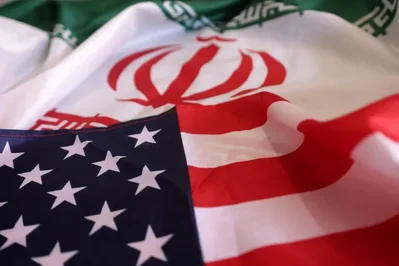
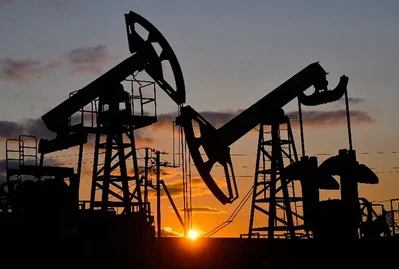
Global energy markets are bracing for potential conflict as a deadline set by the United States for Iran to reopen the Strait of Hormuz approaches. U.S. leadership has warned of potential strikes against Iranian infrastructure if the vital waterway, which handles approximately 20% of global oil flows, remains closed. In early trading, Brent Crude Oil futures rose by $1.74, or 1.6%, to settle at $111.51 per barrel. West Texas Oil experienced a sharper increase, climbing $3.45, or 3.1%, to reach $115.86. The diplomatic situation remains tense after Tehran rejected a ceasefire proposal delivered through Pakistan. Iranian officials have maintained that a permanent end to hostilities is required before they will consider reopening the strait, which was effectively shut following military actions involving the U.S. and Israel in late February. Market analysts note that the threat to energy infrastructure has shifted from speculative to immediate. Priyanka Sachdeva of Phillip Nova observed that the ongoing attacks on shipping assets have created a scenario where even a cessation of hostilities might not immediately restore supply due to infrastructure damage. > "Oil is holding its gains because the battlefield risk is no longer theoretical." Tim Waterer, chief market analyst at KCM Trade, highlighted that the market is currently fixated on the ticking clock of the American ultimatum. > "Clock-watching is now playing almost as big a role in oil markets as the fundamentals themselves in the run-up to Trumps ultimatum deadline." International efforts to secure the region are ongoing but face diplomatic hurdles. The UN Security Council is preparing to vote on a resolution to protect commercial shipping, though the language has been significantly revised after China expressed opposition to the authorization of military force. Meanwhile, regional instability persists, with state media in Syria reporting the interception of missiles near Damascus. Further south, Saudi Arabia reported the destruction of seven ballistic missiles launched toward its Eastern Region, with debris falling near energy facilities. In response to the tightening market, the state-run SAUDI ARABIAN OIL CO has increased its official selling price for Arab Light crude to Asia to a record premium of $19.50 per barrel. Global supply constraints are being felt elsewhere as well. Russia recently reported that a drone attack by Ukraine damaged a terminal on the Black Sea that manages a significant portion of global oil supply. Although OPEC+ members agreed to a slight increase in production quotas for May, the closure of the Strait of Hormuz means that many key producers are unable to actually deliver additional barrels to the global market.