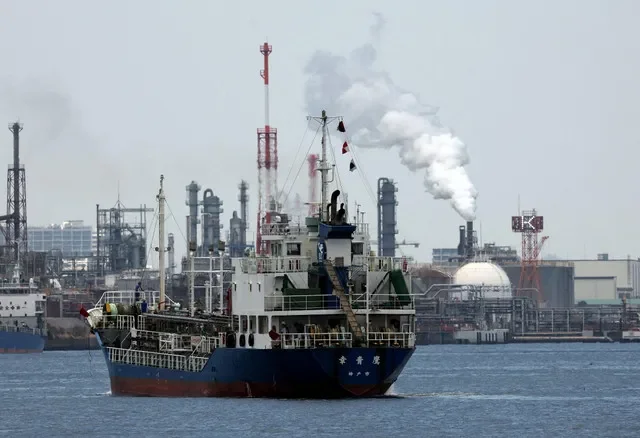
The United States and Israel conflict with Iran constrained crude oil supply, sending energy costs higher for resource-poor firms. In 2025, the nation imported 94% of its crude oil from the Middle East.
Supply Constraints Drive Costs
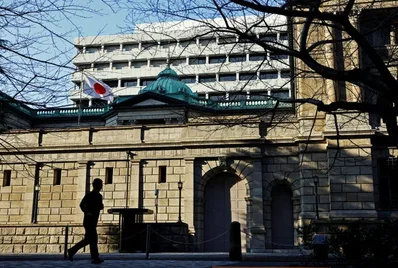
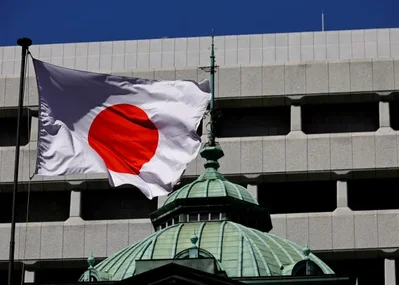
About 37% of survey respondents flagged crude market volatility as their top earnings risk, while 21% selected foreign exchange fluctuations and 19% chose higher interest rates. Higher energy costs and investment cutbacks are cooling domestic demand across the ceramics sector. Last month, the Bank of Japan raised interest rates to a 31-year high, prompting caution among real estate and manufacturing executives.
Multiple firms also cited uncertainties over artificial intelligence-related investment sustainability as a potential earnings risk. While AI demand drove advanced microchip sales and data center construction, executives noted challenges regarding power constraints and rising costs.
First-half net earnings beat forecasts for 32% of respondents, while 22% missed their outlooks and 46% remained in line. For the second half of the fiscal year, 22% expect earnings to fall short of initial forecasts.
Japan will release corporate earnings announcements for the April-to-September period throughout October and November.