
Nigeria sees higher LNG demand amid regional conflict
Nigeria reports higher interest in LNG cargoes due to Middle East tensions. NNPC plans to expand capacity with new trains and a 12 million ton plant.

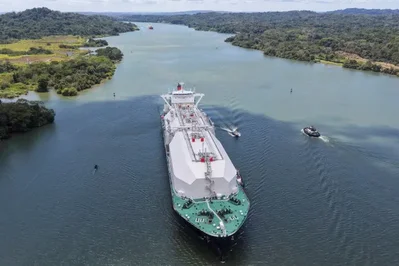
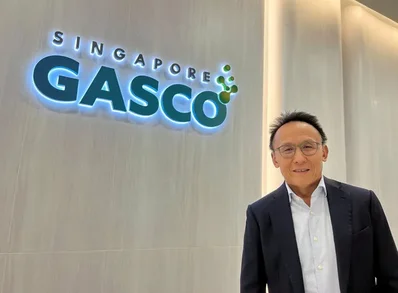
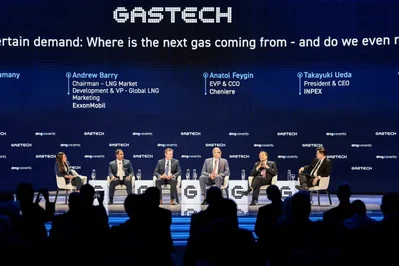
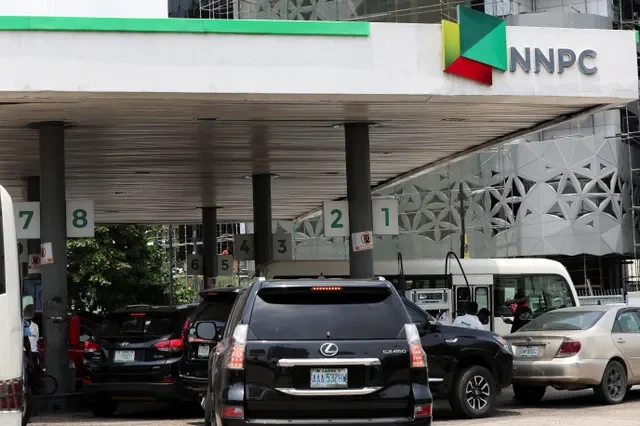
Nigeria has experienced a significant surge in interest from international buyers for its liquefied natural gas (LNG) cargoes, as geopolitical tensions in the Middle East reshape global energy trade routes. Speaking at the CERAWeek conference in Houston on Wednesday, Olalekan Ogunleye, Executive Vice President of the Nigerian National Petroleum Company (NNPC), highlighted how the current global climate has positioned the West African nation as a key strategic partner.
According to Ogunleye, the country's geographic location and the scale of its natural resources have become increasingly important to global markets. He noted that the shifting dynamics have opened new doors for the energy sector.
The conflict in the Middle East has created opportunities for the African country because of its location and size of reserves.
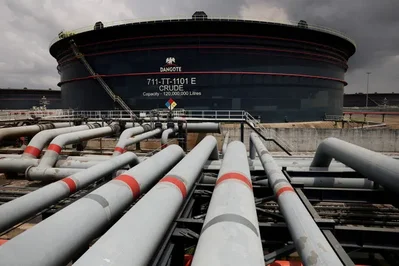
In response to this growing demand, NNPC has entered preliminary discussions to expand its production capacity. The company is exploring the addition of two new trains to its existing LNG plant infrastructure. Furthermore, the state-owned firm is outlining plans for a new facility capable of producing 12 million tons of LNG per annum.
These expansion efforts are part of a broader initiative to establish gas-based industrial hubs. The goal is to more effectively utilize the nation's extensive natural gas reserves, which currently stand at more than 200 trillion cubic feet. By scaling up its processing capabilities, the country aims to solidify its role as a major player in the global energy market and provide a reliable alternative to traditional supply chains affected by regional instability.