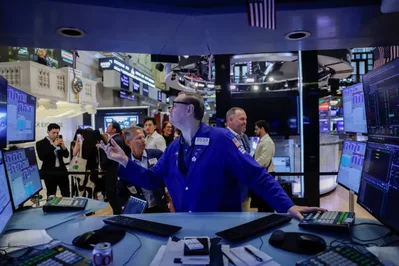

Tech Stocks Decline as Nvidia Reverses Post Earnings Gains
The Nasdaq and S&P 500 fell Thursday as Nvidia shares dropped 5.5% despite strong earnings. Safe-haven assets rose while rate cut hopes moved to September.

A heavy selloff in technology stocks pushed major indices lower on Thursday as initial enthusiasm over the quarterly performance of NVIDIA Corporation was replaced by market skepticism. Despite reporting a significant sales beat and a robust outlook, the artificial intelligence chipmaker saw its shares tumble 5.5%, marking its sharpest decline since April and erasing approximately $260 billion in market value. This decline reflects growing uncertainty regarding the timing of returns on massive AI investments as the company contends with a tightening competitive landscape involving Intel Corporation and other industry rivals. Beyond the tech sector, market performance was mixed. While the Philadelphia semiconductor index fell 3%, the Dow Jones and Russell 2000 remained in positive territory. Notably, PARAMOUNT GLOBAL-CLASS B shares surged 10% following developments involving Skydance. In the broader economy, the IMF has highlighted the need for fiscal consolidation in the United States to manage its significant current account deficit. Safe-haven assets like gold and Treasuries saw increased demand as investors sought stability amid the equity market fluctuations. Global equity markets have experienced a powerful rally this year, led by a 50% surge in South Korea. This momentum has pushed indices to new highs in Japan, Taiwan, and the United Kingdom. In currency markets, the China yuan reached its strongest level in nearly three years, marking its longest winning streak since 2010. Meanwhile, commodity traders are closely watching developments in Iran as international talks continue. Interest rate expectations are also shifting, with futures markets now suggesting that the first quarter-point rate cut from the Federal Reserve may not occur until September. This delay comes as core PCE inflation holds at 3%, and the central bank prepares for a leadership transition in May. However, there was some relief for the housing sector as 30-year mortgage rates dipped below 6% for the first time since September 2022, potentially improving affordability for prospective buyers. Looking ahead to the next trading sessions, investors will focus on a series of critical economic releases. These include GDP figures from India and Canada, along with unemployment and inflation data from Germany. Other key indicators to watch include Tokyo CPI, U.S. producer price inflation, and the Chicago PMI, all of which will help shape the outlook for global monetary policy and growth.