Japanese Chemical Firms Cut Output Amid Middle East War
Japanese chemical firms cut output this week as the Iran conflict disrupts feedstock supplies. Officials may use oil stockpiles to stabilize the market.

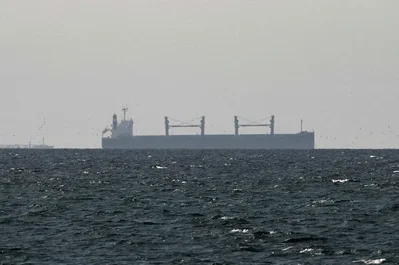
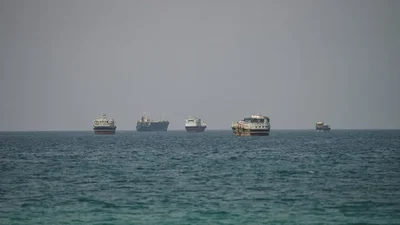
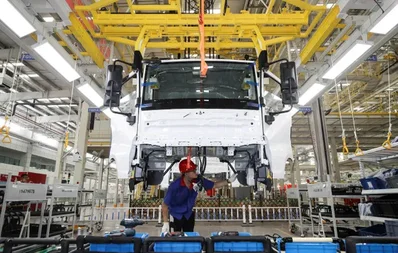
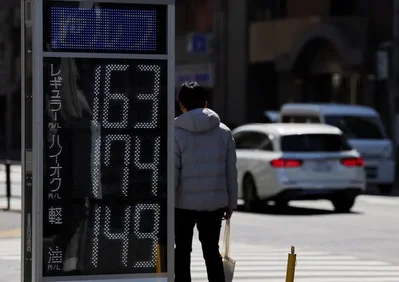
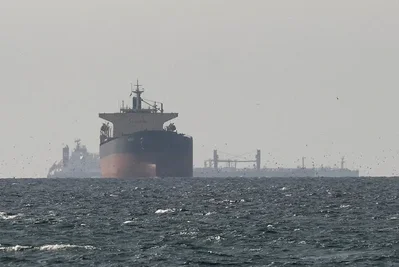
Major Japanese chemical manufacturers are scaling back operations as the conflict involving Iran disrupts critical energy and feedstock supply chains. Japan is particularly vulnerable given its heavy reliance on Middle Eastern oil, which accounts for approximately 95% of its supply. Mitsui Chemicals, Inc. announced on Tuesday that it has begun reducing ethylene production at its facilities in Osaka and Ichihara, located in the Chiba prefecture. The decision follows a significant drop in naphtha supplies, a direct consequence of the blockade of the Strait of Hormuz. Similarly, Mitsubishi Chemical Group Corporation initiated production cuts at its Ibaraki plant on Monday. The regional impact of the conflict has triggered a chain reaction across the Asian petrochemical sector. Sumitomo Chemical Company, Limited issued a force majeure notice for methyl methacrylate production this week. This move came after its feedstock supplier in Singapore, Petrochemical Corporation of Singapore (PCS), declared its own force majeure due to maritime transportation disruptions and supply chain failures. In Taiwan, Formosa Petrochemical Corp (FPCC) has also issued force majeure notices for several petrochemical supplies, including ethylene and propylene. To soften the impact of the supply disruption, the Japanese government is considering the utilization of its emergency oil stockpiles, which are among the largest in the world. Any release of reserves would likely be coordinated with other G7 nations to stabilize global markets.