RBI to keep rates low as conflict weighs on India growth
Middle East conflict will likely impact Indian growth more than inflation. This encourages the RBI to keep rates low despite high oil prices and a weak rupee.

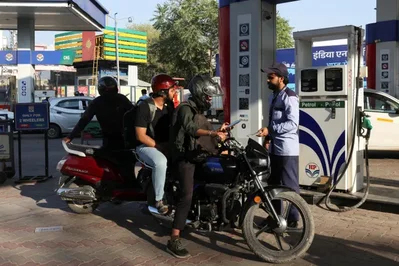
The military offensive by the United States and Israel against Iran is expected to exert more pressure on the economic growth of India than on its inflation trajectory. This dynamic is likely to encourage the Reserve Bank of India (RBI) to maintain lower interest rates to safeguard expansion, according to analysts and sources familiar with the matter. The Middle Eastern conflict has already driven oil prices up by 15%, disrupted regional gas flows, and caused volatility in Indian financial markets, where the rupee recently touched a record low and bond yields have risen. Despite a weaker currency and rising energy costs, the central bank is expected to avoid a hawkish shift unless the geopolitical situation deteriorates further. This stance contrasts with global market reactions, where interest rates have climbed in various emerging and developed economies. Traders in the swap markets have begun pricing in at least one rate hike for India over the next year, reflecting concerns over sustained high energy prices. > "I don't feel the market has sufficiently priced the risk from oil prices rising significantly and there could be room for swap rates to move even higher if Brent oil holds above $80 per barrel over the next couple of weeks," said Ritesh Bhusari, joint general manager for treasury at The South Indian Bank Limited. The immediate threat to growth stems from natural gas supply constraints. Indian firms have already begun reducing gas supplies to industrial sectors, which could negatively impact output in the power and fertilizer industries. If these disruptions persist beyond a month, they could dampen economic performance for at least one quarter. Analysts suggest that if Brent Crude Oil remains above $90 to $95 per barrel for three to four consecutive quarters, India's projected growth of over 7% for the next fiscal year could fall to approximately 6.5%. > "If oil prices remain high for an extended period, the ‘Goldilocks phase’ for the Indian economy will end." On the inflation front, India possesses several buffers. Retail fuel prices are often kept stable by state-run retailers, and the government has the option to reduce excise duties to mitigate the impact on consumers. Analysts at The Goldman Sachs Group, Inc. noted that while oil prices exceeding $100 could shift global monetary policy toward a more hawkish tone, India's current retail inflation of 2.75% remains near the lower end of the RBI's tolerance range. Deutsche Bank AG estimates that a 10% to 20% increase in global oil prices would only raise domestic inflation by 25 to 50 basis points if the costs are fully passed through. Samiran Chakraborty, chief India economist at Citigroup Inc., indicated that the RBI may prioritize downside growth risks over near-term inflation if fiscal authorities keep pump prices steady. > "This could perversely make the policy stance less hawkish than what the immediate market reaction to higher oil prices might suggest." However, the central bank's ability to provide further rate cuts may be limited if inflation climbs toward 5% due to energy costs.