Markets expect early end to Iran war despite threats
Investors bet on a swift conclusion to the conflict as crude prices stabilize. President Trump suggests military action could end sooner than expected.

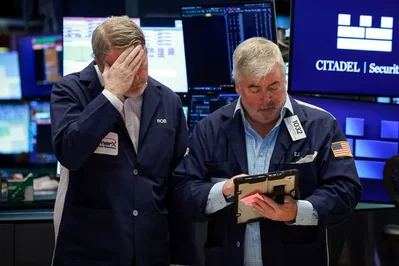
Global financial markets are signaling growing confidence that the current military conflict involving the United States and Iran may conclude sooner than initially feared. Despite aggressive rhetoric from both Washington and Tehran, investors on Tuesday placed significant bets that a resolution is imminent, aiming to avoid a global economic crisis triggered by unprecedented disruptions to energy supplies.
The market optimism follows comments from the American president, who described the military campaign as being ahead of schedule. This sentiment led to a reversal of the historic surge in energy prices seen earlier in the week. Brent Crude Oil, which had briefly neared $120 per barrel following the appointment of a new hardline supreme leader in Tehran, settled back to approximately $90.67 by Tuesday morning.
The conflict has caused a massive halt in shipments through the Strait of Hormuz, a critical maritime artery where one-fifth of the world's oil and liquefied natural gas typically passes. With the passage effectively blocked, regional producers have reached storage capacity and been forced to suspend pumping operations. In response to potential threats to global trade, the U.S. administration issued a stern warning via social media.
"If Iran does anything that stops the flow of Oil within the Strait of Hormuz, they will be hit by the United States of America TWENTY TIMES HARDER than they have been hit thus far."
While the U.S. has focused its stated objectives on neutralizing missile capabilities and nuclear programs, Israel has expressed broader goals regarding the political future of the region. Prime Minister Benjamin Netanyahu emphasized a desire for significant political shifts within the Islamic Republic.
"Our aspiration is to bring the Iranian people to cast off the yoke of tyranny."
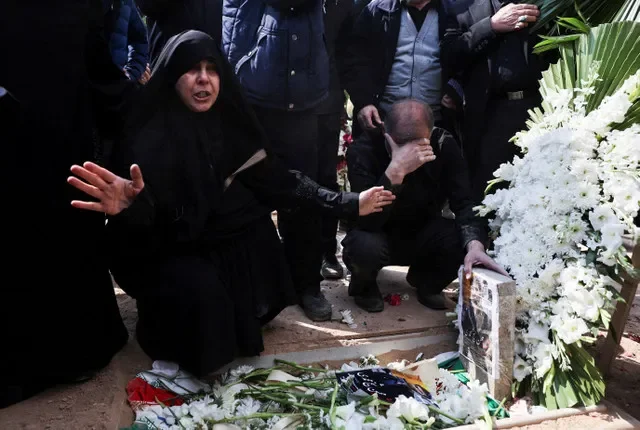
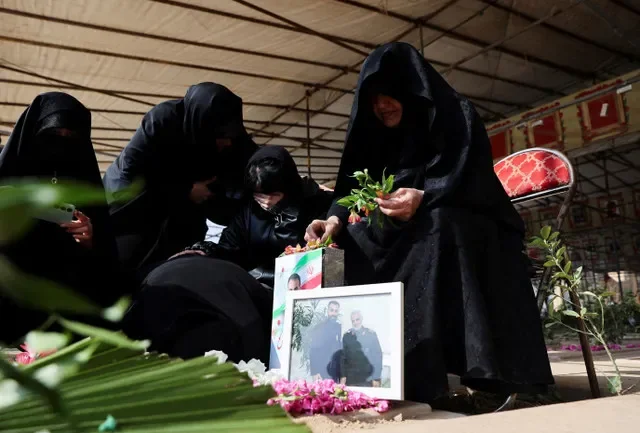
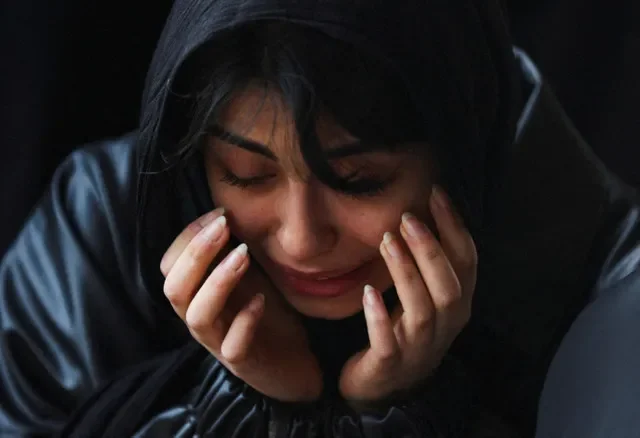
The human cost of the three-week conflict continues to rise. According to reports from Tehran's United Nations ambassador, at least 1,332 civilians have been killed since the start of the airstrikes in late February. The violence has also spread to Lebanon, where intensive strikes aimed at Hezbollah have resulted in numerous casualties. Meanwhile, retaliatory strikes have claimed lives within Israeli territory and targeted U.S. military assets and diplomatic missions across the Gulf.
Diplomatic avenues remain constrained as Tehran indicates it is currently unwilling to engage in further negotiations with Washington, citing a lack of trust following the commencement of military action. Iranian Foreign Minister Abbas Araqchi noted that previous diplomatic progress was ignored when the decision to launch strikes was made.
"So, I dont think talking to the Americans anymore would be on our agenda."
Military sources suggest that commanders are operating under the assumption that the window for operations could close abruptly. As the U.S. president stops short of demanding an unconditional surrender, observers suggest that a quick end to the war might leave the current leadership in Tehran in place, despite previous calls for regime change.