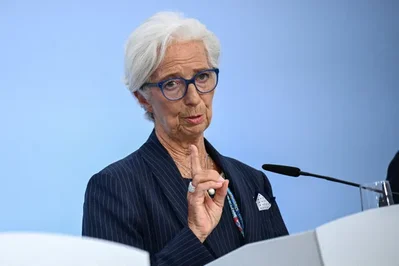

Lagarde says ECB needs more data before policy moves
ECB President Christine Lagarde says more data is needed before policy shifts. Energy prices have risen but remain below the bank's adverse scenario levels.

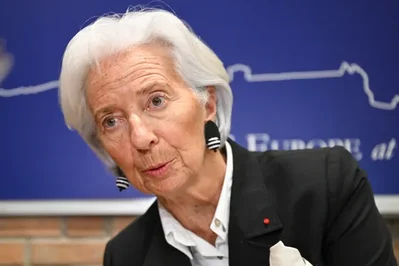
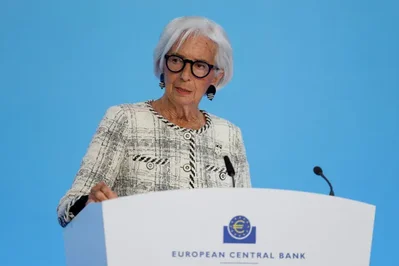
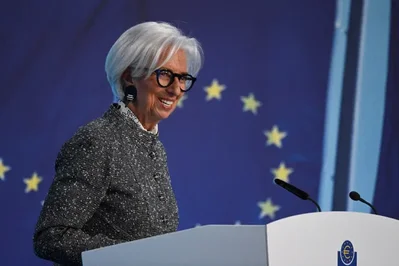
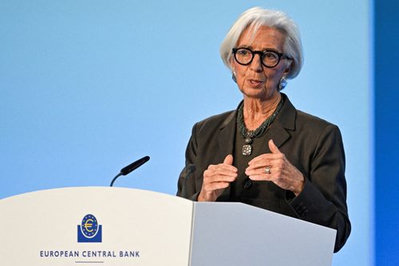
The European Central Bank requires further economic data before reaching firm conclusions on monetary policy, according to President Christine Lagarde. Speaking in Berlin on Monday, Lagarde noted that the economic consequences stemming from the conflict in Iran have not yet escalated to the level of the bank's adverse scenario projections. While energy costs experienced a significant surge last month, policymakers have yet to identify clear evidence of second-round price impacts. Such impacts are considered a primary prerequisite for the central bank to consider raising interest rates. These remarks, delivered less than two weeks before the scheduled April 30 policy meeting, suggest that market expectations for a rate hike this month may be premature. > "So far, we have not seen energy prices rise far enough to push us squarely into our adverse scenario," Lagarde said in a speech in Berlin on Monday. The ECB President emphasized that the current environment is defined by uncertainty regarding the duration of the energy shock and the extent of price pass-through to the broader economy. > "This ... uncertainty about the duration of the shock and the breadth of pass-through argues for gathering more information before drawing firm conclusions for our monetary policy," she added. Market data shows a divergence in energy commodities. While spot and futures prices for Brent Crude Oil have exceeded the bank's baseline projections, Natural Gas prices remain below those estimates. This trend is partially attributed to some energy consumers in Asia shifting their demand toward coal. The central bank is currently navigating two conflicting economic pressures. On one side, households and businesses still have vivid memories of the 2022 inflation shock, which could lead to faster adjustments in wage and price demands. Conversely, the increased cost of energy is tightening disposable incomes, which may restrict the ability of companies to pass higher costs on to consumers. Lagarde also addressed the state of global logistics, noting that there have been limited signs of widespread supply chain disruptions. However, she pointed out specific localized pressures, particularly in the aviation sector. Jet fuel prices have approximately doubled since the start of the conflict, leading to fuel rationing at several individual airports since the beginning of April.