Court Orders 182 Billion Dollar Refund for Trump Tariffs
A federal judge ordered the U.S. government to refund up to 182 billion dollars in tariffs. Customs officials must now create a plan to return the funds.

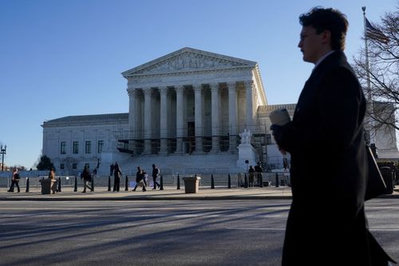
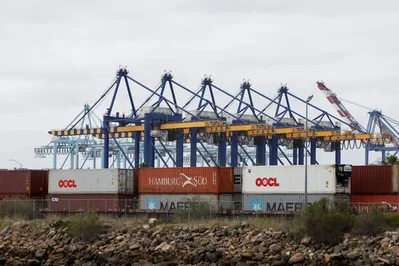
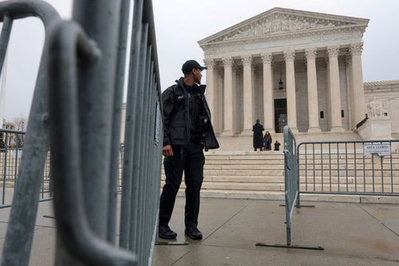
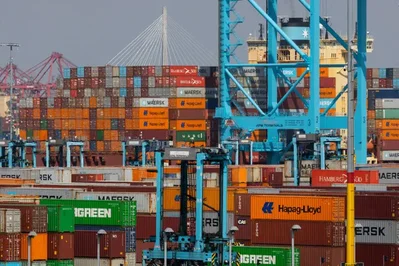
A federal judge has ordered the United States government to begin issuing refunds for emergency tariffs that were recently struck down by the Supreme Court. According to budget analysts, the total amount to be returned to importers could reach between $168 billion and $182 billion. Senior Judge Richard Eaton of the Court of International Trade directed the Customs and Border Protection (CBP) agency to submit an initial plan for the refunds by Friday, aiming to streamline the process and avoid thousands of individual legal challenges. > "I want to make it clear to the customs service that they have to refund any money that was unlawfully collected," Eaton said during a hearing on Wednesday. The Penn Wharton Budget Model (PWBM) estimated that the government collected up to $182 billion in gross revenue from tariffs imposed under the International Emergency Economic Powers Act (IEEPA) between February 2025 and February 2026. Using a secondary forecasting method, the group also estimated a figure of approximately $177 billion. These estimates were derived from a model analyzing roughly 11,000 product categories across 233 countries. Meanwhile, the Budget Lab at Yale University provided a slightly lower estimate of $168 billion in IEEPA revenue through February 19. The Yale researchers noted that the tariffs raised average inflation-adjusted customs revenue by $194.8 billion above the 2022-2024 average and calculated an effective tariff rate of 9.9% prior to the court's intervention. In response to the ruling, the administration of Donald Trump has implemented a temporary 10% global tariff under Section 122 of the Trade Act of 1974, which is set to increase to 15%. The Committee for a Responsible Federal Budget (CRFB) estimates that this 10% tariff could generate $35 billion in net revenue over 150 days, potentially rising to $50 billion at the higher rate. If these measures are extended or replaced by similar authorities, the CRFB projects that revenue could exceed $900 billion or even $1.3 trillion over the next decade. The PWBM projections are even higher, estimating ten-year revenue at $1.51 trillion if a 15% rate remains in place, which would offset a significant portion of the revenue lost to the court-ordered refunds.