
Japan Lower House Approves Dovish Nominees for BOJ Board
Japan's lower house approved two dovish nominees for the central bank board today. The move may slow the pace of interest rate hikes under PM Takaichi.

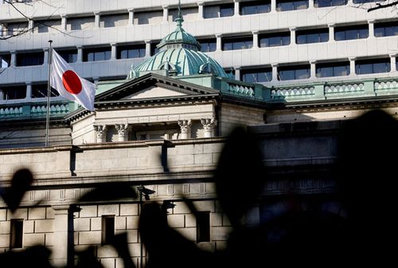
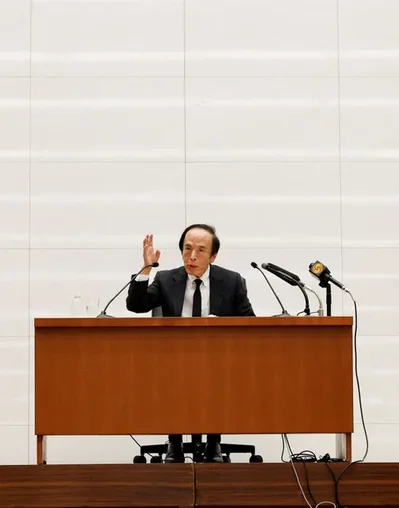
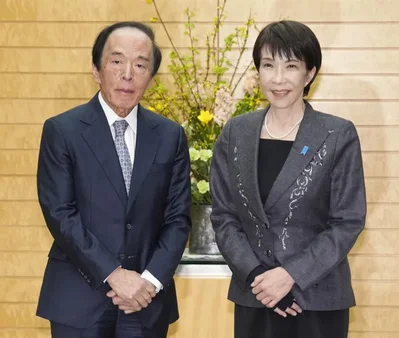
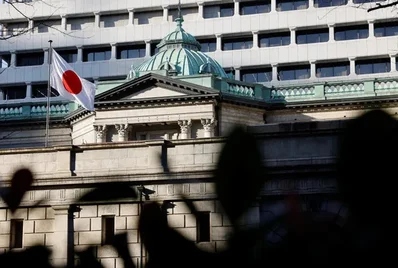
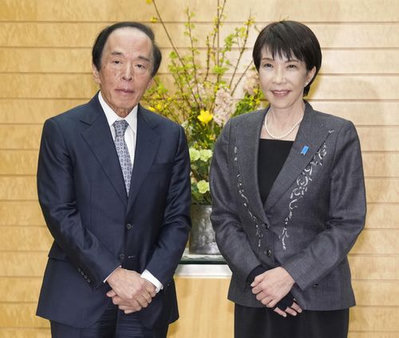
The lower house of parliament in Japan has formally approved Prime Minister Sanae Takaichi's nomination of two dovish academics to the board of the Bank of Japan. This decision, reached on Thursday, marks a significant shift that could impact the trajectory and timing of future interest rate adjustments by the central bank. The nominees, Toichiro Asada and Ayano Sato, are widely recognized by market participants as strong proponents of sustained economic stimulus. Their appointments to the nine-member board still require confirmation from the upper house of parliament before they can officially take office. Toichiro Asada is slated to succeed economist Asahi Noguchi, whose term concludes on March 31. Ayano Sato will fill the vacancy left by Junko Nakagawa when her term expires at the end of June. Both academics are associated with a group of reflationists who support the expansionary fiscal and monetary strategies currently championed by Takaichi. Furthermore, both individuals maintain professional connections with dovish former executives of the central bank, including former deputy governor Masazumi Wakatabe. The introduction of these new members may alter the internal dynamics of the board, which has recently leaned toward steady interest rate increases. Analysts suggest that the selection reflects Takaichi's proactive stance on monetary policy, increasing the likelihood that her administration will add more reflationists when the terms of two hawkish board members end next year. Should Prime Minister Takaichi remain in office, she would possess the authority to select successors for Governor Kazuo Ueda and his two deputies when their five-year mandates conclude in 2028. The central bank concluded its decade-long massive stimulus program in 2024 and has implemented several rate hikes since then, including a move in December that took the short-term policy rate to a 30-year high of 0.75%. Despite these moves, Governor Ueda has indicated a readiness to keep raising rates if economic projections materialise, especially as inflation has exceeded the 2% target for nearly four years.