The Cost of Loose Regulation
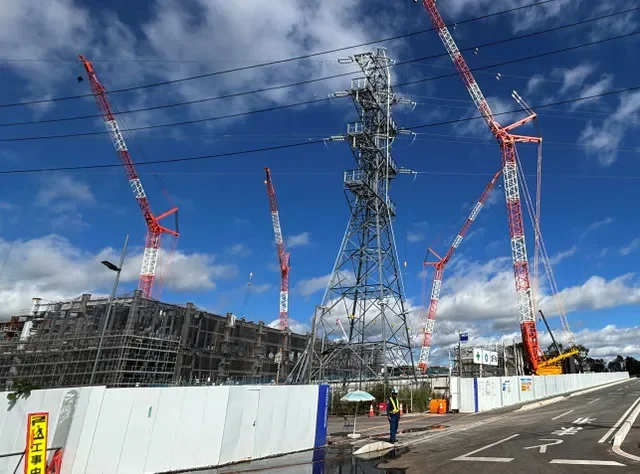
Loose oversight and political stability have turned the country into a magnet for data centre investment, outpacing stricter global markets. Consultancy JONES LANG LASALLE INC expects the domestic market to expand from $23.4 billion in 2024, driving average annual growth of 6.7%. However, facilities as tall as 10-storey apartment blocks are rising meters away from homes, triggering intense community friction over noise, exhaust, and safety risks.
In Kashiwa, northeast of Tokyo, backup generator tests send black fumes and burning fuel smells over local properties. In Koto ward, residents are fighting a 51-metre facility storing 1.2 million litres of heavy oil in a high earthquake-risk zone. Empyrion Digital said its site was chosen after reviewing environmental impact and regulatory compliance.
Taking Developers to Court
In Inzai city, residents have taken legal action against a 32-megawatt facility built 11 meters from residential balconies. Plaintiffs argue the project was improperly permitted as an office rather than a factory or warehouse.
Japan hasn't established the proper laws. That's why you're seeing huge data centres being planned in residential areas or in front of train stations.
Lawyers for the residents said the case could set a legal precedent for how Japanese courts police office-zoning loopholes used nationwide.
The Tokyo metropolitan assembly will deliberate resident petitions on noise, heat, and fuel safety on December 15.