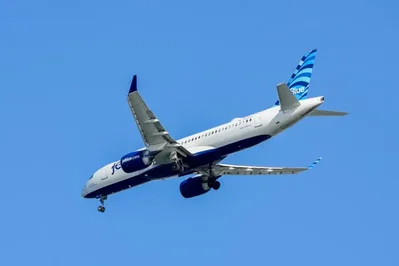
The surge in energy costs, which has impacted global benchmarks such as Brent Crude Oil and West Texas Oil, means jet fuel for a flight from Barcelona to Berlin is now 26 euros more expensive per passenger. Meanwhile, a long-haul trip from Paris to New York is estimated to cost 129 euros more in fuel. European airlines are preparing for a challenging spring and summer, with jet fuel prices having risen to well over $100 a barrel and concerns growing that shortages could lead to flight cancellations.
Airline executives from carriers including Lufthansa, RYANAIR HOLDINGS PLC, and AIR FRANCE-KLM stated in March that they were likely to pass on higher fuel costs to consumers if the Strait of Hormuz remained closed longer-term. T&E said its calculations showed the extra costs from the fuel price spike were far larger than the costs airlines face from complying with European Union climate change policies.
Diane Vitry, director of aviation at T&E, noted that the crisis highlights the region's dependence on foreign energy sources.
The Middle East crisis proves that our real vulnerability is a tank filled with foreign oil, not the laws designed to fix it.
In response to the supply volatility, the European Union is set to release guidelines on managing limited jet fuel supply on Wednesday. While some airlines have called for a rollback of climate policies, including a 2030 mandate to use synthetic green jet fuel and upcoming carbon pricing rules, the EU is expected to push for energy independence through greater investments in sustainable fuel alternatives.