Global energy strategy shifts amid Iran war supply shock
Governments are expanding nuclear and renewable energy projects following the closure of the Strait of Hormuz. Record stock releases aim to stabilize prices.

The energy shock triggered by the conflict in Iran is forcing a global reassessment of long-term dependence on fossil fuel imports. Following military actions by the United States and Israel on February 28, the closure of the Strait of Hormuz has disrupted the flow of nearly 20% of the world’s oil and liquefied natural gas (LNG). This marks the third major energy disruption this decade, pushing governments to expand nuclear power, renewables, and strategic stockpiles while diversifying foreign supply sources.
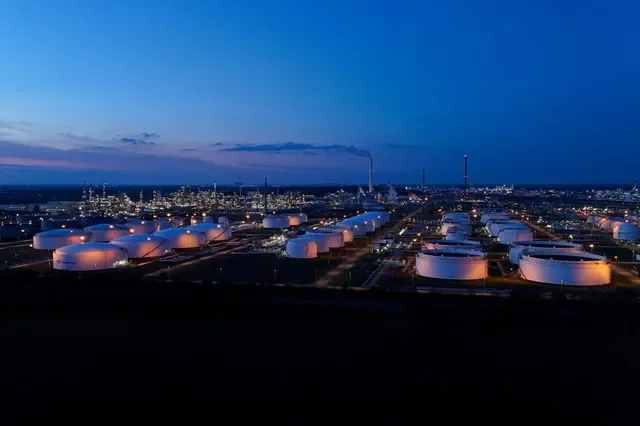
Geoffrey Pyatt, a senior managing director at U.S. consultancy McLarty Associates, noted that the era of taking Gulf energy for granted has ended. The International Energy Agency has characterized the current situation as the most significant disruption to global energy supplies in history, with crude oil prices climbing above $100 per barrel.
The issue of energy security has never been as acute as now.
In Asia, the region most vulnerable to Middle Eastern supply shocks, policymakers are revisiting nuclear energy. Taiwan is considering the reactivation of its last nuclear station, which was decommissioned in May, as fighting impacts shipments from Qatar. Similarly, Japan is under domestic pressure to accelerate the restart of reactors that have remained idle since the 2011 Fukushima disaster to reduce its reliance on volatile imports.
China has maintained a degree of insulation through its massive emergency reserves and a high rate of electrification, with electric vehicles making up over half of its new car sales. However, the state-run refiner CHINA PETROLEUM & CHEMICAL-H has reduced production by 10%, and Beijing has restricted fuel exports to ensure domestic stability. Wang Jin, a senior fellow at the Beijing Club for International Dialogue, noted that the crisis would likely lead nations to prioritize clean energy and nuclear power.
Not only China, but around the world, governments will reconsider their energy supply lines and production systems and perhaps pay more attention to nuclear and clean energy.
European nations are also shifting their strategy as import costs rise by an estimated 6 billion euros since the start of the conflict. European Commission President Ursula von der Leyen recently proposed a 200 million euro guarantee for private investments in nuclear technology, reversing decades of nuclear phase-outs in countries like Germany.
Reducing the share of nuclear in the overall mix of power supplies in Europe over the past 25 years was a strategic mistake.
While the U.S. remains less concerned about domestic supply due to its status as a major producer, the administration is focused on mitigating global price spikes. To bolster supply, the administration has eased sanctions on Russia, allowing for increased oil purchases. Meanwhile, countries such as Bangladesh and Pakistan are moving toward diversifying their import sources and increasing spot market activity to avoid long-term reliance on the Middle East. Bart Groothuis, a member of the European Parliament, cautioned that the shift toward green energy must not create a total dependency on foreign hardware.
We're building new dependencies and new problems inside our energy infrastructure by building dependencies, total dependencies, on Chinese hard and software.