
Iran Weaponizes Strait of Hormuz to Blunt US Firepower
Iran has reduced traffic through the Strait of Hormuz by 97 percent since late February. The strategy uses asymmetric strikes to pressure the global economy.

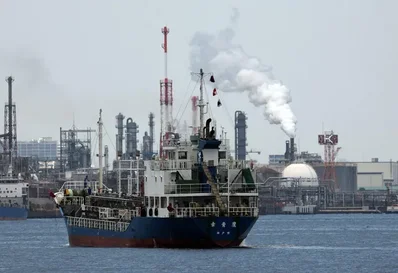
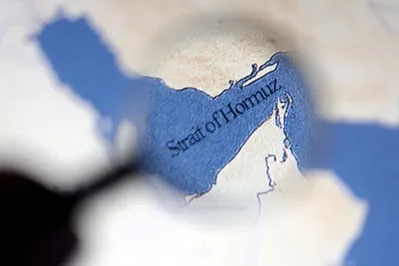
Long before the United States and Israel engaged in direct conflict with Iran, the Islamic Republic had prepared a strategic defense centered on the world’s most critical oil corridor. By positioning the Strait of Hormuz as a potential hostage, Tehran created a deterrent designed to offset the military superiority of its adversaries. This chokepoint, where disruptions immediately impact global energy markets, has been transformed from an economic asset into a primary defensive weapon.
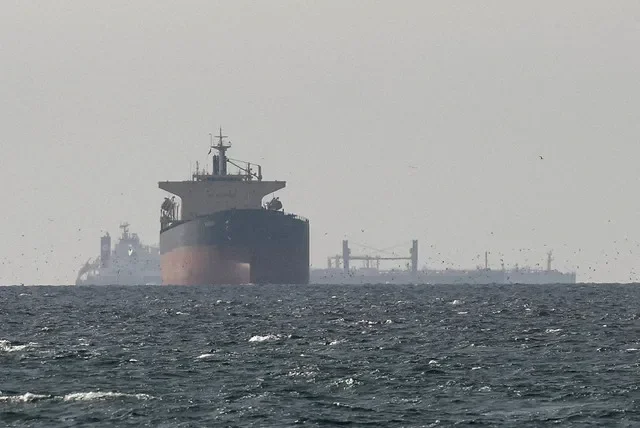
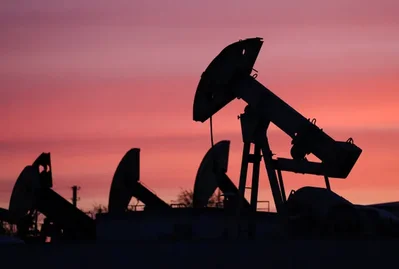
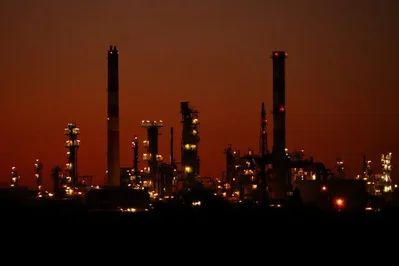
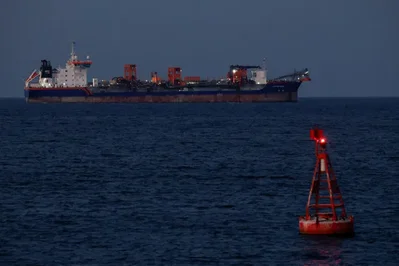
Approximately 20% of the world’s oil and liquefied natural gas flows through the Strait. Since the outbreak of war on February 28, United Nations data indicates that maritime traffic has collapsed by 97%. While Iran utilized similar disruption tactics during the "Tanker War" of the 1980–88 Iraq-Iran conflict, its current capabilities are significantly more advanced, featuring vast inventories of inexpensive missiles and drones that can threaten shipping over a broader area.
"If Iran takes the global economy hostage, Trump would blink first."
Ali Vaez, the Iran Project Director at the International Crisis Group, observes that Iran is intentionally expanding the conflict’s scope to leverage economic pressure. Following the death of Supreme Leader Ayatollah Ali Khamenei on the first day of the war, the Islamic Revolutionary Guards Corps (IRGC) activated a long-standing plan to pressure oil flows while conducting asymmetric strikes against American regional assets. The strategy aims to create enough economic instability to force a change in U.S. policy.
Rather than meeting superior forces in traditional battlefields, Tehran has dispersed its operations, launching low-cost strikes across the Gulf. These tactics, previously associated with regional partners in Yemen, Syria, and Lebanon, are now being executed directly by Iranian forces. Michael Eisenstadt of the Washington Institute notes that this asymmetric approach is intended to impose high costs through a small number of strategic attacks.
"The goal is to create economic pain, further undermining support for the war in the United States and increasing pressure on Washington to end it."
This economic warfare has broader implications for global markets, affecting major corporations like Colgate-Palmolive Company and safe-haven assets such as NovaGold Resources Inc.. Despite the decapitation of its top leadership, Iran’s decentralized "Mosaic" doctrine has allowed command and control to persist under officials like Mohammad Baqer Qalibaf and Ali Larijani. Analysts suggest that while the U.S. can degrade Iranian military strength, achieving a total victory would require a massive land invasion that Washington remains hesitant to pursue. Tehran is betting that by weaponizing the global energy supply, it can endure a conflict longer than its more powerful opponents.