
Indonesia Parliament Approves New Financial Officials
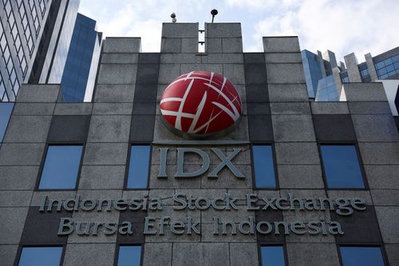
Lawmakers on Thursday approved new financial regulator heads to restore market trust. The move follows a January market rout and warnings of an MSCI downgrade.

The parliament of Indonesia has officially endorsed the selection of five senior officials to lead the country's financial regulator, the OJK, as part of an urgent effort to implement governance reforms and address investor concerns. This legislative move follows a period of significant market volatility in Southeast Asia's largest economy, triggered by a string of high-level resignations and a sharp decline in stock valuations earlier this year. The leadership transition comes in the wake of a January market rout that saw $120 billion in market value erased. The selloff was largely intensified by warnings from MSCI Inc., which indicated that the nation could be downgraded to frontier status due to transparency and governance issues among listed companies.
Mukhamad Misbakhun, head of the parliamentary committee overseeing finance, highlighted the importance of the new appointments for market stability and public confidence.
We hope that these names can build trust in the OJK, in the capital market, and in the Indonesian financial services industry, making them more credible and trusted by the public.
The newly appointed officials include Friderica Widyasari Dewi, who will serve as the chair of the regulator, and Hasan Fawzi, who takes over as the chief capital market supervisor. Both individuals were selected unanimously for five-year terms and had previously been serving in interim roles to lead reform initiatives. After the parliamentary vote, Friderica expressed her commitment to the task ahead.
We will restore market trust.
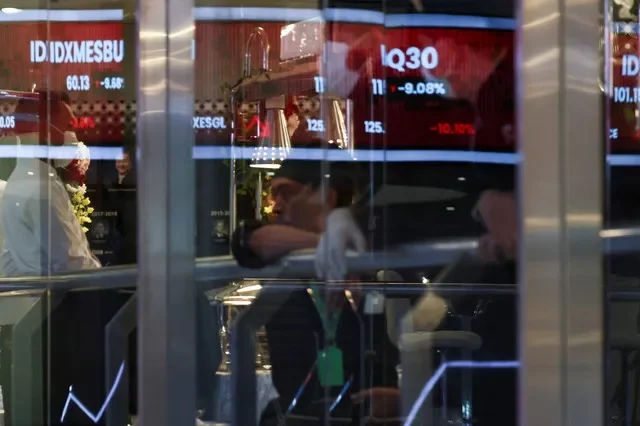
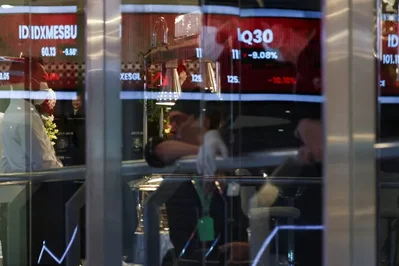
The new leadership faces a critical deadline in May, when index providers will determine how the country's stocks are categorized. The Goldman Sachs Group, Inc. has cautioned that a market downgrade could potentially trigger capital outflows of up to $7.8 billion, although the firm noted that such an outcome remains unlikely. Despite its status as a $1.4 trillion G20 economy, the nation has faced several sentiment setbacks in 2026. In addition to the market classification risks, credit rating agencies such as Fitch and Moody's Corporation have lowered their outlooks from stable to negative. Hasan Fawzi acknowledged the challenges posed by global uncertainties but vowed to accelerate the planned regulatory reforms.