Indonesia moves to suspend EU trade concessions at WTO
Indonesia is filing a WTO request to suspend trade concessions against the EU. This follows the bloc's failure to comply with a ruling on palm oil biofuels.

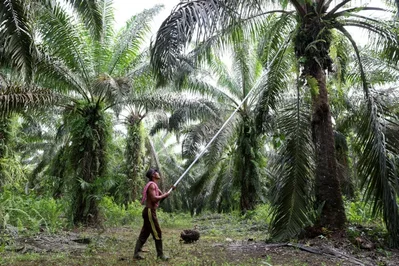
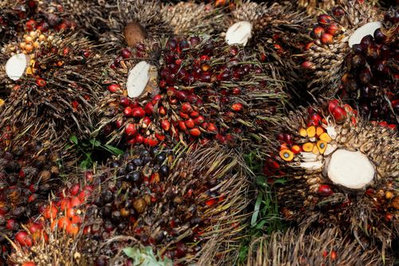
The trade ministry of Indonesia announced on Saturday that the government will file a request for the suspension of concessions against the European Union at the World Trade Organization (WTO). The move comes after the European bloc reportedly failed to comply with a WTO ruling regarding a palm oil trade dispute. Trade Minister Budi Santoso explained that the decision was necessary because the European authorities did not meet the required deadlines to adjust their policies or align with the recommendations of the WTO's dispute settlement body. > "This step is taken after the EU could not meet the deadline to adjust its policy or was not fully compliant with the ruling and recommendation of the palm oil dispute settlement body." According to Santoso, the suspension of concessions will primarily target the trade of goods, although the Indonesian government has not ruled out the possibility of extending these measures to other sectors in the future. The minister emphasized that the calculation of economic losses is being carefully conducted to ensure the response is effective while maintaining the broader bilateral relationship. > "We will ensure that the losses are thoroughly calculated and the cases are handled effectively, while maintaining bilateral relations with the EU." The dispute has long-standing roots, with a WTO panel finding largely in favor of the European bloc in 2025 regarding its restrictions on palm oil-based biofuels. That ruling determined that palm oil-based diesel would not be classified as a biofuel and would be phased out of transport fuels between 2023 and 2030. However, the panel did identify procedural faults in how the European measures were prepared and administered. Market participants and regional producers, including ASIAN PALM OIL PCL, continue to monitor these developments as they impact global trade dynamics and regulatory standards for the industry.