
Indian stock benchmarks enter correction on Iran conflict
Indian benchmarks fell 10% from record highs this week due to the Iran war and high oil prices. Foreign investors sold $5.73 billion in local shares.

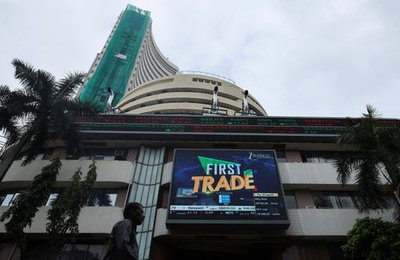
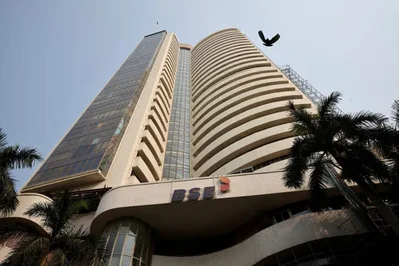
Equity benchmarks in India have officially entered a technical correction this week, with major indexes falling 10% from their record peaks. This significant market pullback follows a period of persistent selling pressure driven by the escalating conflict involving Iran and the subsequent surge in global crude oil prices. The widening Middle East crisis is expected to impact the domestic macroeconomic outlook, prompting foreign investors to retreat from emerging market assets.
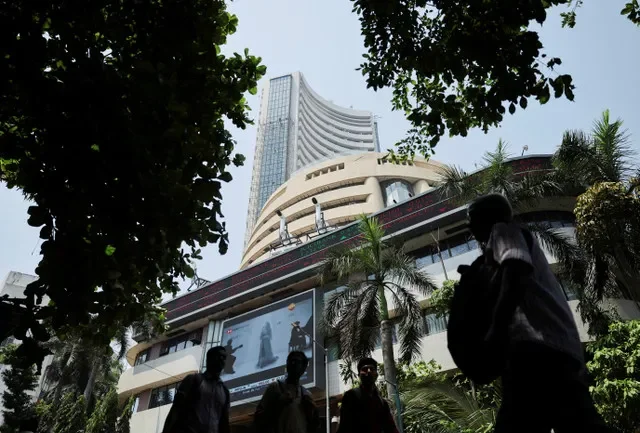
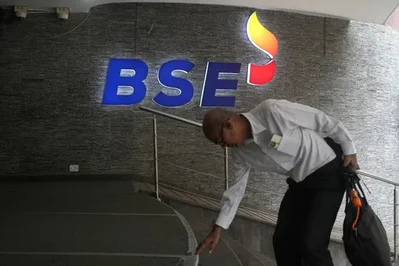
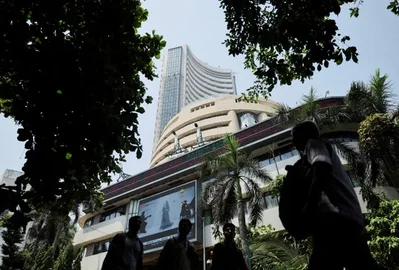
By the close of the week, the Nifty 50 sat 12.2% below its all-time high of 26,373.20. Similarly, the benchmark index of BSE Limited, the Sensex, ended the week 13.5% below its lifetime peak of 86,159.02. Market analysts noted that the breach of the 10% threshold confirms a shift in momentum as energy security concerns and earnings stress weigh on sentiment.
There is absolute panic selling in markets, as spiking crude prices fan worries over energy security, earnings stress, currency stability and softer consumption.
Technical indicators further highlight the bearish trend. Both primary indexes are now trading below their 50-day, 100-day, and 200-day moving averages. According to market experts, breaking these levels suggests that buying support has thinned out significantly, potentially triggering automated risk controls and further selling from institutional players. The Relative Strength Index (RSI) for these benchmarks has also dipped below 30, placing them in oversold territory.
When an index breaks all these levels, it implies that momentum has deteriorated sharply and buying support has thinned out.
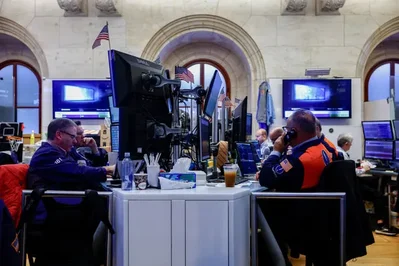
Foreign portfolio investors have offloaded approximately $5.73 billion in Indian equities since the start of the conflict. March has already recorded the highest monthly outflows in over a year. Analysts suggest that until geopolitical clarity emerges, foreign capital is unlikely to return to the region in a meaningful capacity.
Until there is some clarity, foreign selling will continue to roil markets and foreign investors are unlikely to return to India in a meaningful way.
While international funds exit, domestic investors have remained net buyers, though the pace of inflows has moderated. New Systematic Investment Plan (SIP) registrations have also seen a slowdown as retail participants adopt a more cautious stance.
This is natural in the context of a sideways or a subdued market as retail investors tend to wait for clearer market direction.