Scaling Up Biomass
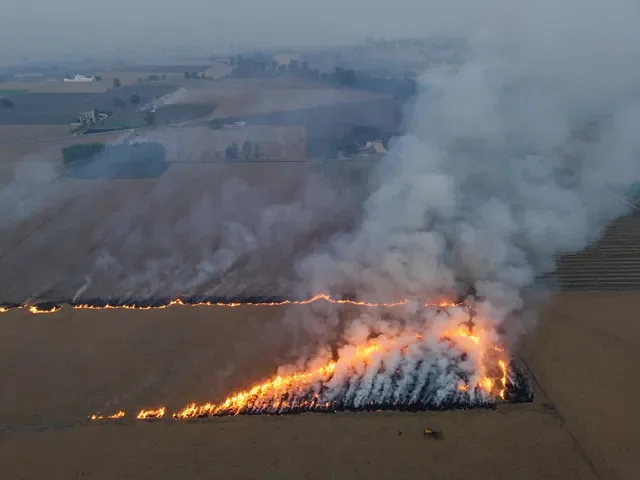
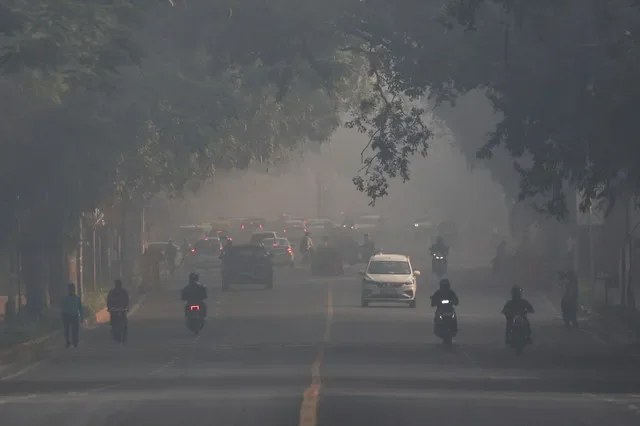
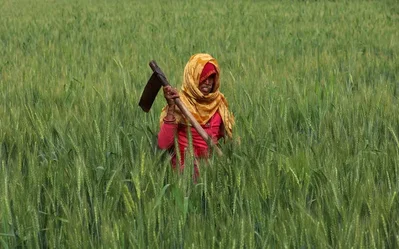
Punjab recorded 5,114 farm fires during the paddy-harvesting season, falling 53% from 2024 and down 86% from 2023 government estimates. Yet capital air quality reached hazardous levels in mid-November, underscoring multiple pollution sources. Biomass projects operate at a fraction of the necessary scale, according to Pratima Singh, a director at policy and research firm iFOREST.
Biomass-based projects are financially sound and genuinely effective, Singh said. But right now theyre operating at a fraction of the scale needed, so their impact isnt yet visible in Delhis air.
Investments and Livelihoods
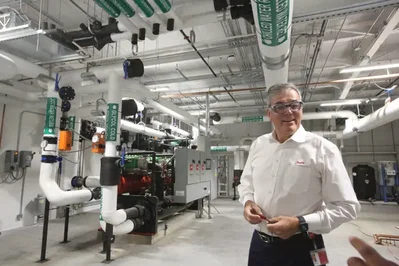
In Punjab's Faridkot district, networks of operators convert straw into electricity feedstock, creating jobs for 70 families per processing unit. Processor Amandeep Singh Gill said his plant required an investment of 45 million rupees ($484,340) and generates an annual turnover of 70 million to 80 million rupees. SAEL Industries Ltd operates an 18-megawatt plant using this agricultural waste, purchasing 2 million tonnes this year out of 750 million tonnes generated nationwide.
The government will review nationwide agricultural residue procurement targets on December 15.